
By Minnie Karki (UC Santa Barbara)
Studying abroad wasn’t just a chapter of my life—it honestly rewired the way I move through the world. I just didn’t know it yet.
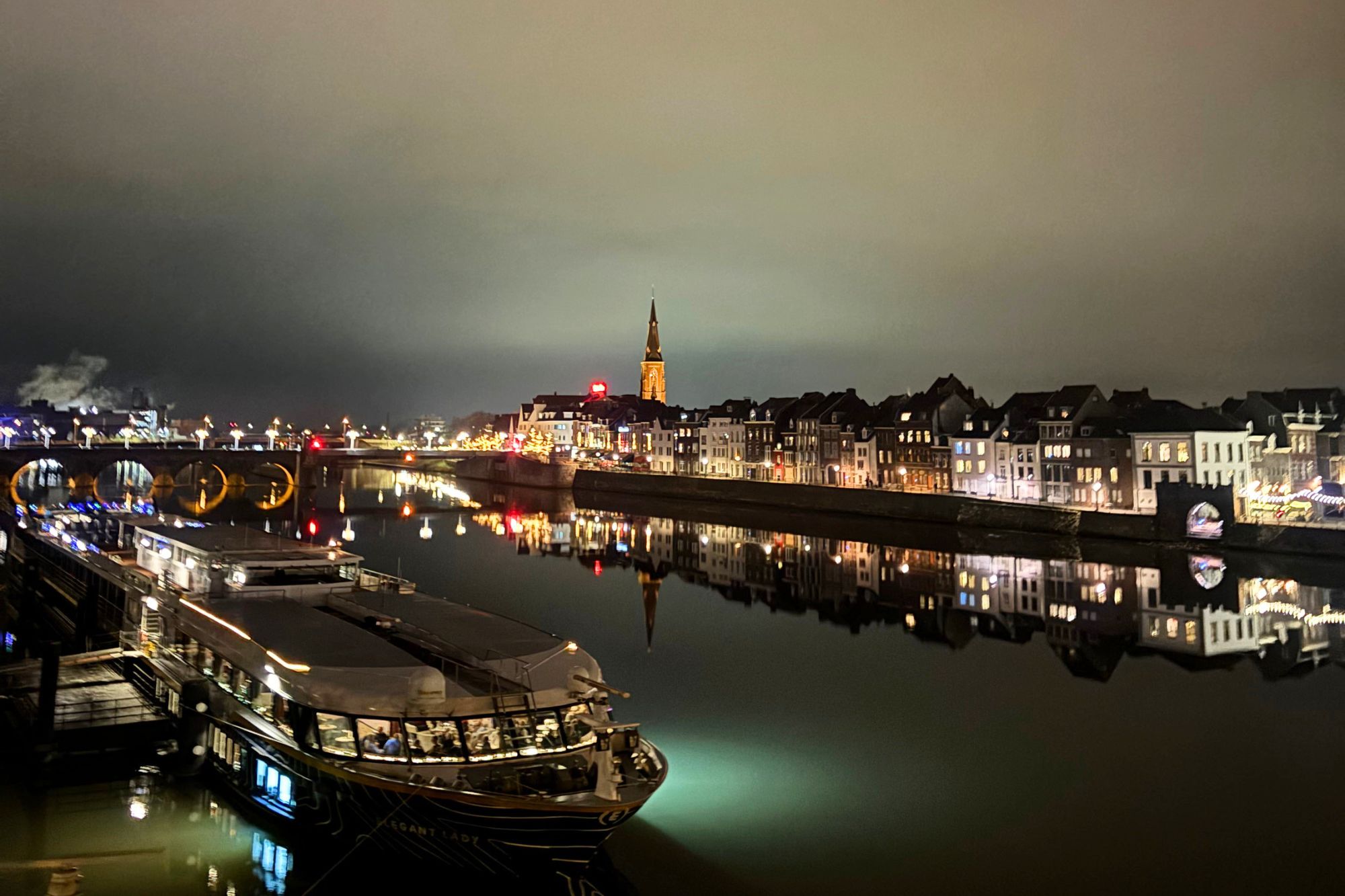
When I first arrived in Maastricht, my world felt really small. I had just landed in a city I had never heard of before applying to study abroad, in a country far from home. To make things even worse, I sprained my ankle the literal day I arrived. Because of this, I couldn’t explore or wander or distract myself from the fact that I was suddenly very alone.
Everything felt unfamiliar: my surroundings, my routine, and honestly, even myself. Looking back now, that discomfort ended up being the starting point for some of the most important moments of my life.
Stepping Outside My Comfort Zone
Before studying abroad, I stayed close to what felt safe. I didn’t love speaking up in class. I avoided readings unless I truly had no other option. Blending in felt comfortable, and comfort felt good. Going abroad was exciting, but also terrifying, especially as a first-generation college student and an immigrant stepping into spaces my family had never been able to access. I did not know what I would find, or whether I would be enough once I got there.
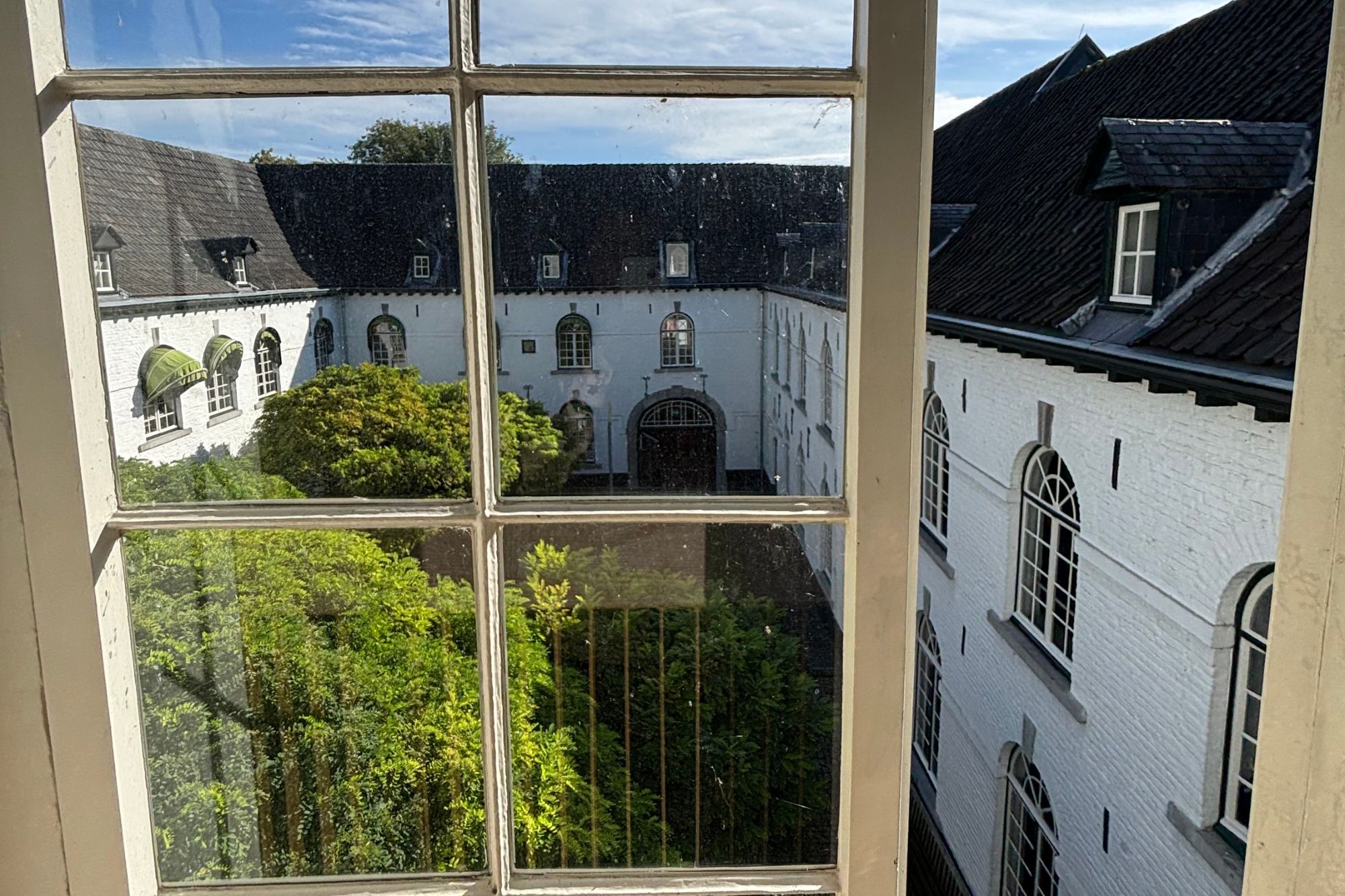
University College Maastricht (UCM), the school where I studied in the Netherlands, immediately challenged everything I was used to at UC Santa Barbara. UCM has around 800 students, compared to UCSB’s 26,000-plus students. The school itself used to be a monastery, now repurposed into a small, intimate academic space for Liberal Arts and Sciences students. It was stunning.
Instead of big lectures where you can disappear into the crowd, classes ran through Project-Based Learning (PBL). We met twice a week in tutorial groups of about 8 to 12 students to discuss the readings. For someone who avoided reading, this was a nightmare at first.
Discussions were the class.
Preparation mattered.
Silence felt louder than I was used to, and reading was completely unavoidable. There were weeks when I had 60 pages of reading for a single session, and I quickly learned that showing up unprepared would not go over well.
Finding My Voice in an 8-person Classroom
Surprisingly, it turned out way better than I expected. By the end of the program, I loved PBL-style classes. In contrast to what I thought before, the environment was not intimidating or judgmental at all. Classes felt like a group of curious people coming together to talk through ideas, guided by a tutor who genuinely wanted us to learn. I could say something half-formed or completely wrong, and no one stopped me—in fact, they kept encouraging me to say more. Slowly, I stopped seeing my voice as something risky and started seeing it as something worth sharing. This completely changed my perspective on school, and it still resonates with me.
One of the most meaningful academic experiences I had came from a group project that accounted for 60% of our final grade. None of us in the group knew each other beforehand. Our team included a Polish student, a Finnish student, a German student, and me, a Nepali, first-generation college student studying in the US. Together, we were tasked with proposing ways to make UCM a more age-friendly and accessible campus.
This project meant so much to me because we all came from different educational systems, writing styles, speaking styles, and levels of English proficiency. Instead of dividing us, that became our biggest strength. We listened, adjusted, and learned from one another. I had never worked so closely with people from such varied backgrounds, and I had never felt prouder of a project. That experience reshaped how I think about collaboration, empathy, and my own capabilities.
Choosing Discomfort Every Day
Outside the classroom, the biggest lesson I learned was simple but hard: Things don’t get good until you let yourself be uncomfortable.
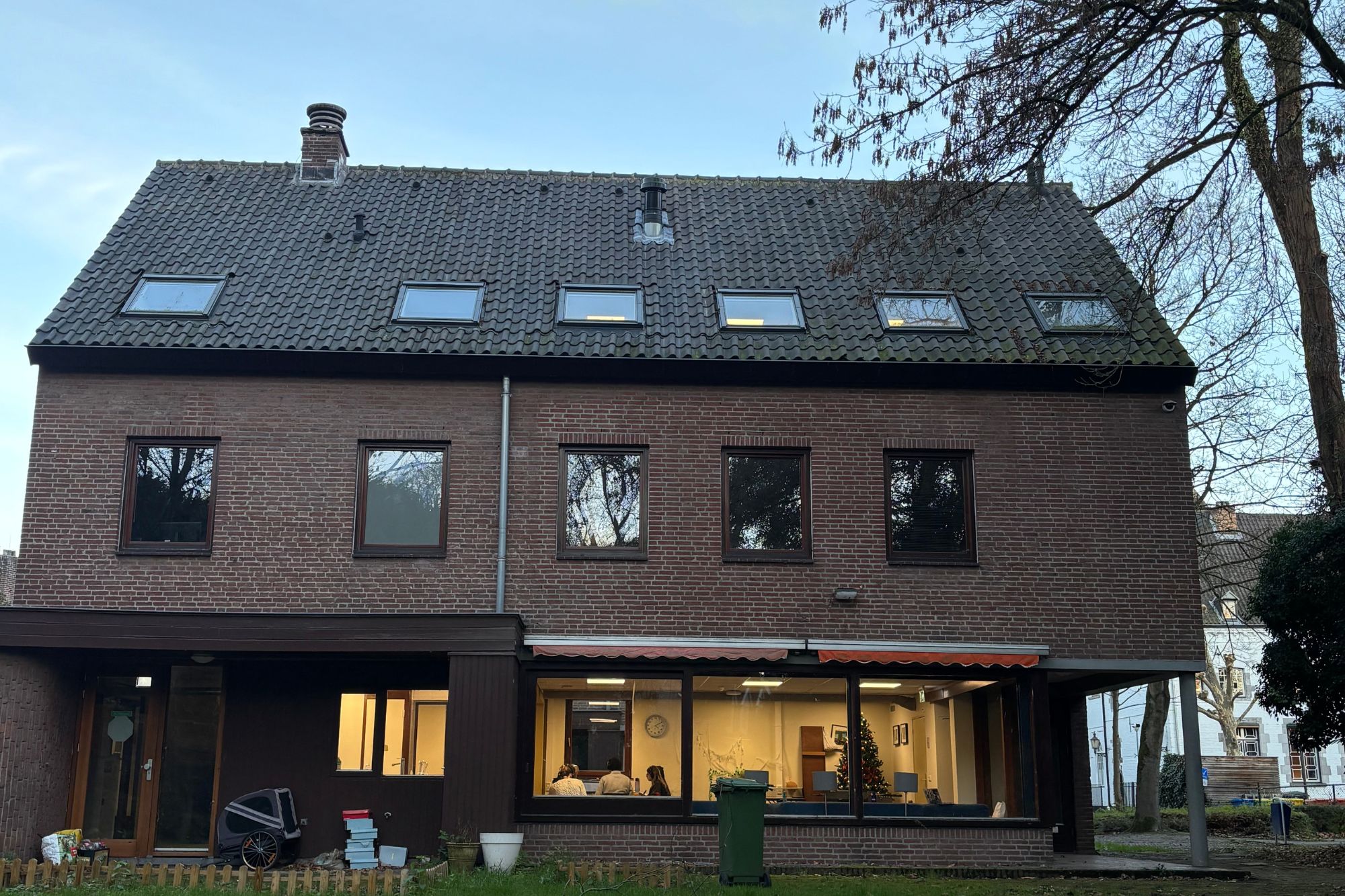
The beginning of my time abroad was lonely. My housemates were kind, but it took time to connect. I missed home and questioned whether I belonged. But the more I said yes to conversations, invitations, and unfamiliar situations, the more my experience transformed. I met people from Australia, Italy, Belgium, Germany, France, Singapore, Austria, Norway, and across the globe. People who once felt like distant ideas became friends I laughed with, learned from, and leaned on for support.
Being surrounded by peers who did not share my background forced me to reflect on who I was. I found myself explaining Nepal, my family’s journey, and what it meant to be a first-generation immigrant student in the US. In doing so, I began to realize which parts of my identity felt most grounded and which labels I was ready to release. Over time, the version of myself I described to others began to change, too.
Eventually, I stopped waiting for discomfort to find me—I started choosing it.
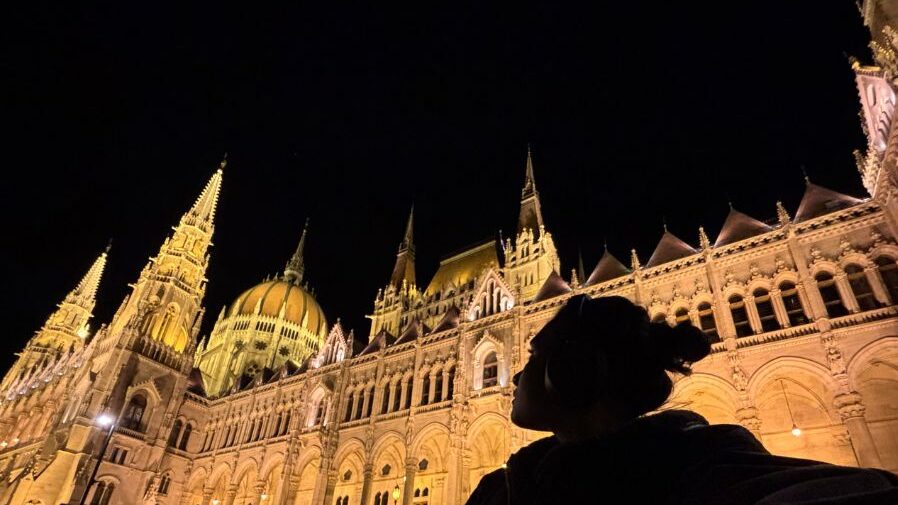
That realization arrived during my first solo trip to Budapest, Hungary. I flew three hours alone, navigated buses in a language I did not understand, and put myself in situations that felt daunting but proved rewarding. I was scared, but I did it anyway.
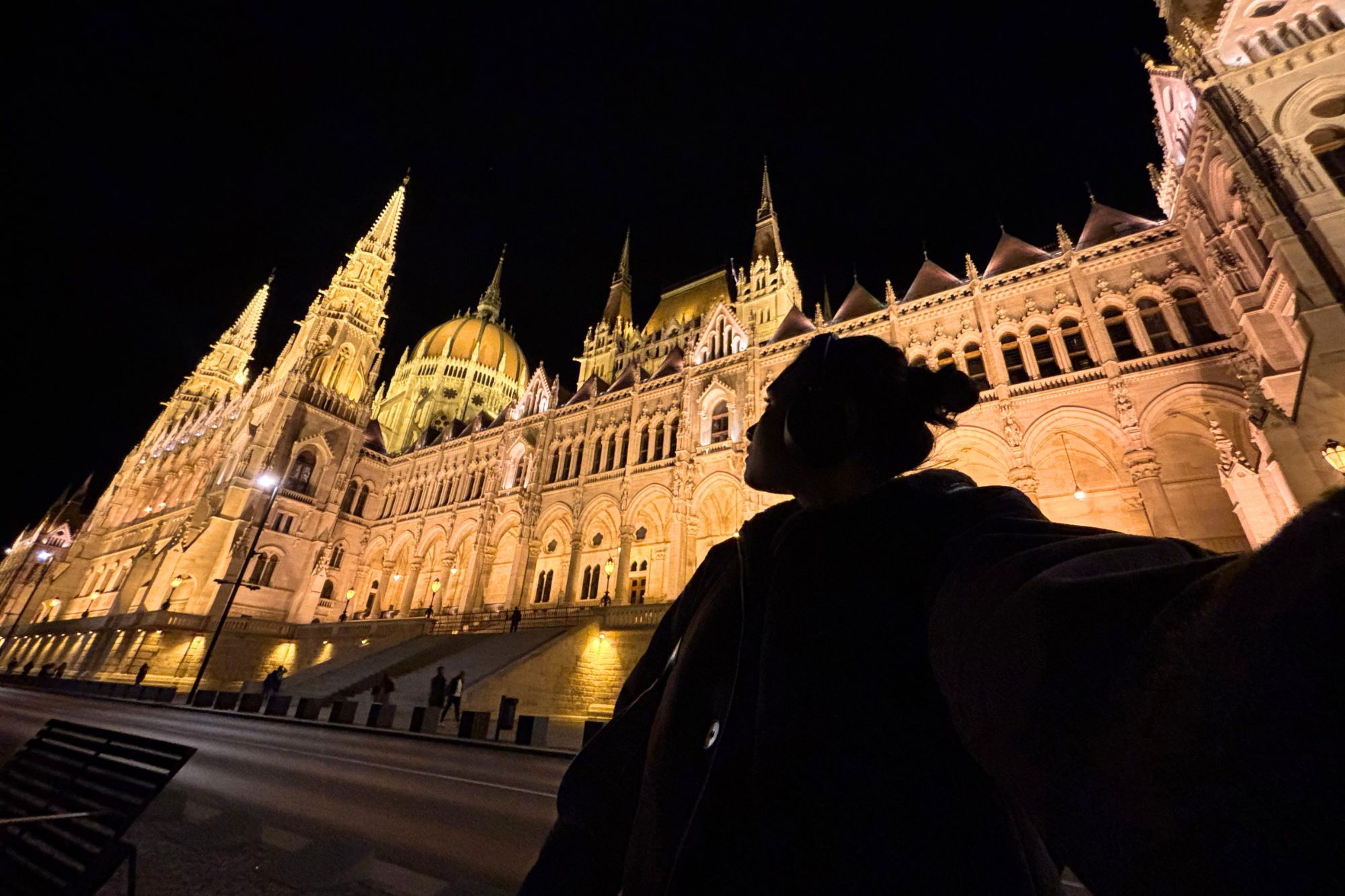
When I returned to Maastricht, everything felt different. I had tackled something hard completely on my own, and that confidence followed me everywhere.
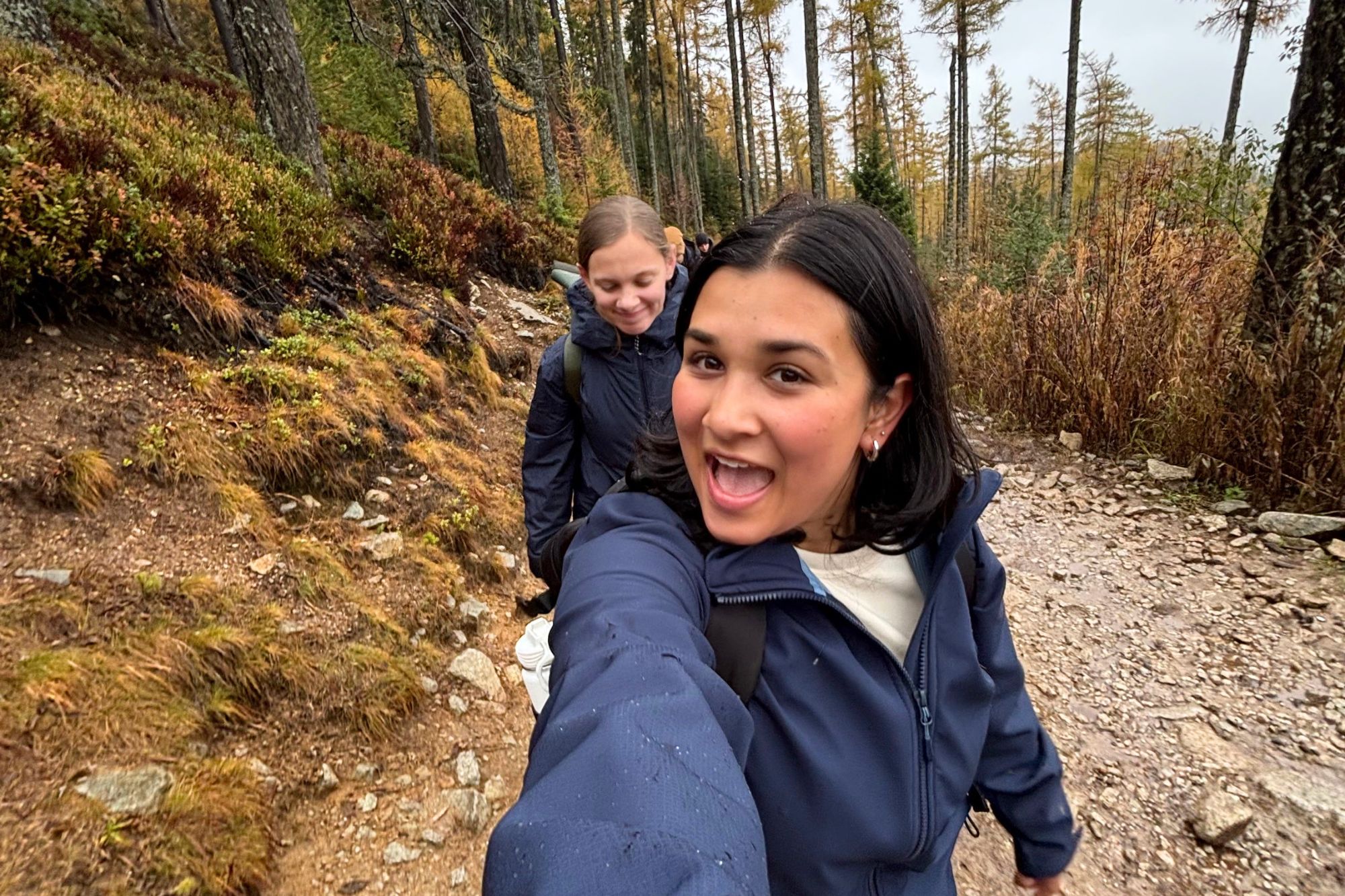
Travel became one of the primary ways I kept choosing growth. Hiking in the Tatra Mountains along the border of Slovakia and Poland tested me physically, mentally, and socially. I was not an experienced hiker, yet we spent hours trekking through snow and rain with heavy packs alongside students I had just met through an international group. The shared effort, the quiet mountain inn, the family-style meals, and the bonds we formed made it an unforgettable part of my term.
Bringing the Lessons Back to California
Being abroad taught me how to be alone without feeling lonely, how to trust myself, and how to take up space without apology. Now that I am back home, those changes show up in small but concrete ways. I walk across campus with more presence. I sit in lecture halls and study spaces where I used to feel intimidated. I speak up in class discussions. I actively work to re=create the life I built abroad, one rooted in curiosity, courage, and openness, right here at UCSB.
Studying abroad did not just give me memories—it gave me a way of living. Toward the end of my program, my mom and sister visited me in the Netherlands, and I showed them the places that shaped me and the independent life I built far from home. In that moment, everything came full circle. Studying abroad changed how I see the world, but more importantly, it changed how I see myself. That is something I carry with me every single day.
Read more about the personal growth that comes with studying abroad:
- Beyond the Semester: Why a Year Abroad Changes Everything explores how pushing past initial disorientation and daily friction helps UC students escape the comfort-zone trap and build authentic resilience.
- An Introvert’s Guide to Study Abroad shows how saying Yes to unfamiliar social situations and taking deliberate steps into the unknown helps hesitant students thrive overseas without losing themselves.
- Fifteen Years in the Making: A Letter to My Past Selves captures the rewarding shift from predeparture anxiety to self-trust, proving that leaning into intimidation can make it possible to find your community abroad.


0 Comments