
By Wayne Dewing (UC Riverside)
Just two years ago, if you told me I would soon be nearly fluent in German and living in Berlin for a year, I wouldn’t have given it a second thought.
I study neuroscience. I want to be a research scientist. I don’t have a German family or any real connection to the country. To me, a radical detour like moving to Europe seemed entirely random. It simply wasn’t in the cards.
Today, I’ve been back in California for less than two months, and I’m already planning my return to Berlin.
My time abroad didn’t derail my career goals—it taught me that life is much bigger than the rigid path I initially mapped out for myself. By stepping out of my comfort zone, I discovered a newfound openness to life’s colorful possibilities. It was a complete metamorphosis.
The Detour: When a Requirement Becomes a Catalyst
The path that led me to Berlin started with a routine meeting with my counselor. To my dismay, I discovered I was missing a foreign language requirement. Initially, I saw this as a major setback toward completing my degree—just another obstacle in my way.
At the same time, I had always wished to speak a second language. Without overthinking it, I signed up for German 1 because it fit my schedule. It sounded completely foreign to my ears. My plan was simple: Get the course over with and get right back to my science classes.
But as the weeks went on, something unexpected happened. I actually enjoyed learning new words, and I felt a rush of excitement when I began to understand simple sentences. Despite my childlike speaking skills, I felt deeply inspired. I started spending more and more time practicing.
I became so hooked that I continued straight into German 2 and German 3. I still didn’t know exactly how this fit into my main goal of studying neuroscience, but something compelled me to keep going.
The Portal: Making the UCEAP Connection
It was during my second quarter of German that I began contemplating studying abroad. I didn’t know much about it, but I figured I would at least check if there were options in Germany for a UC student.
That is when everything clicked into place. I learned that while abroad, I would still be eligible for financial aid through my home university. Even better, I would make direct progress toward my degree because the units completed abroad transfer directly back onto my UC transcript. Suddenly, learning German wasn’t a setback from science at all. It was an opportunity to live on another continent and go on an adventure, all while keeping my commitment to my degree.
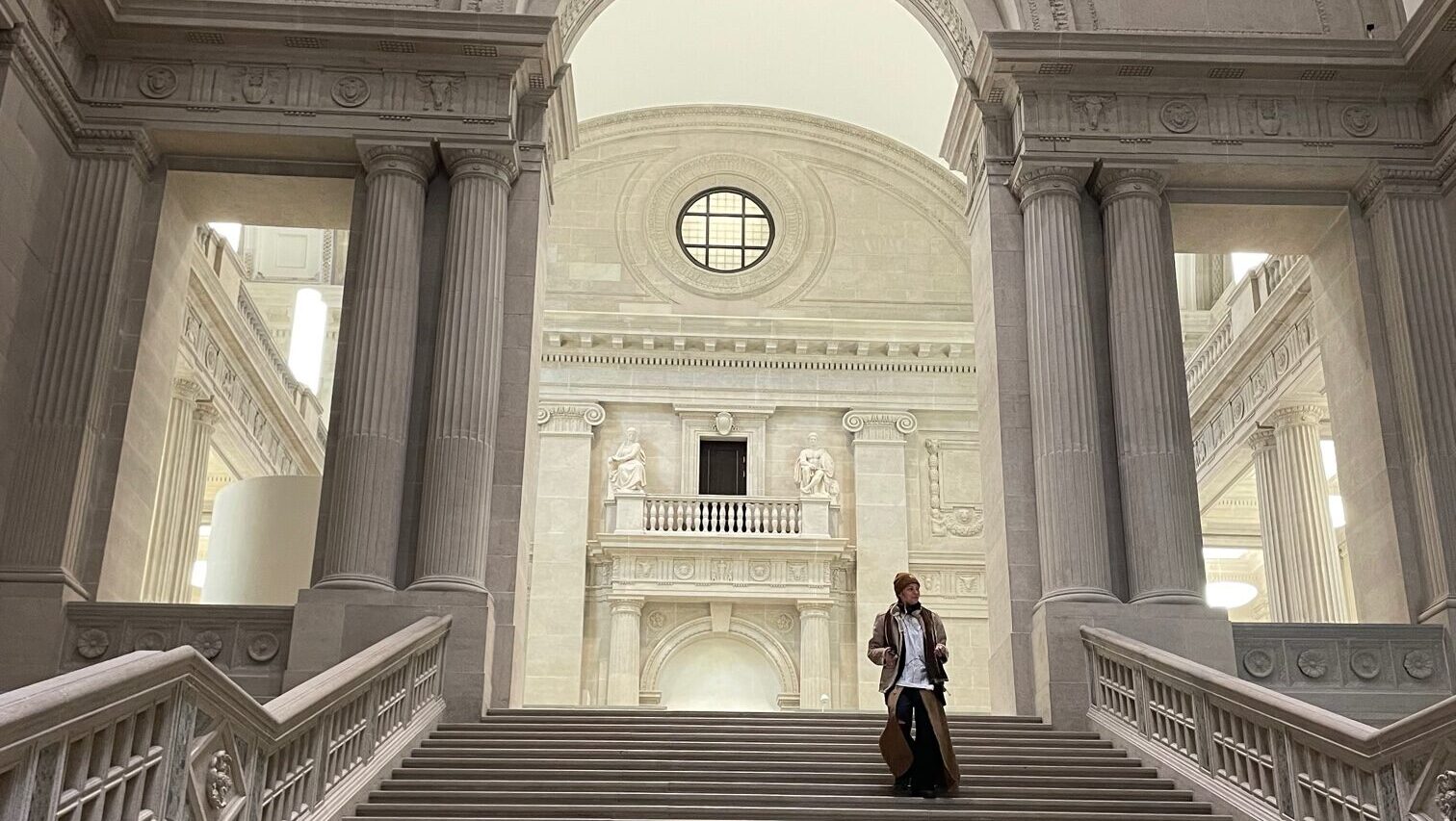
UCEAP listed Berlin as an option with three incredible institutions: The Free University of Berlin, The Technical University Berlin, and the historic Humboldt University of Berlin. Humboldt is located right in Mitte, the heart of the city. I was immediately drawn to its massive cultural and scientific significance. The idea that I could study at the exact same university where legends like Einstein, Planck, and Hegel walked the halls was irresistible. I applied, was accepted, and moved to Berlin to enroll in the Pre-ILP summer language program.
The Click: Finding Magic in Total Immersion
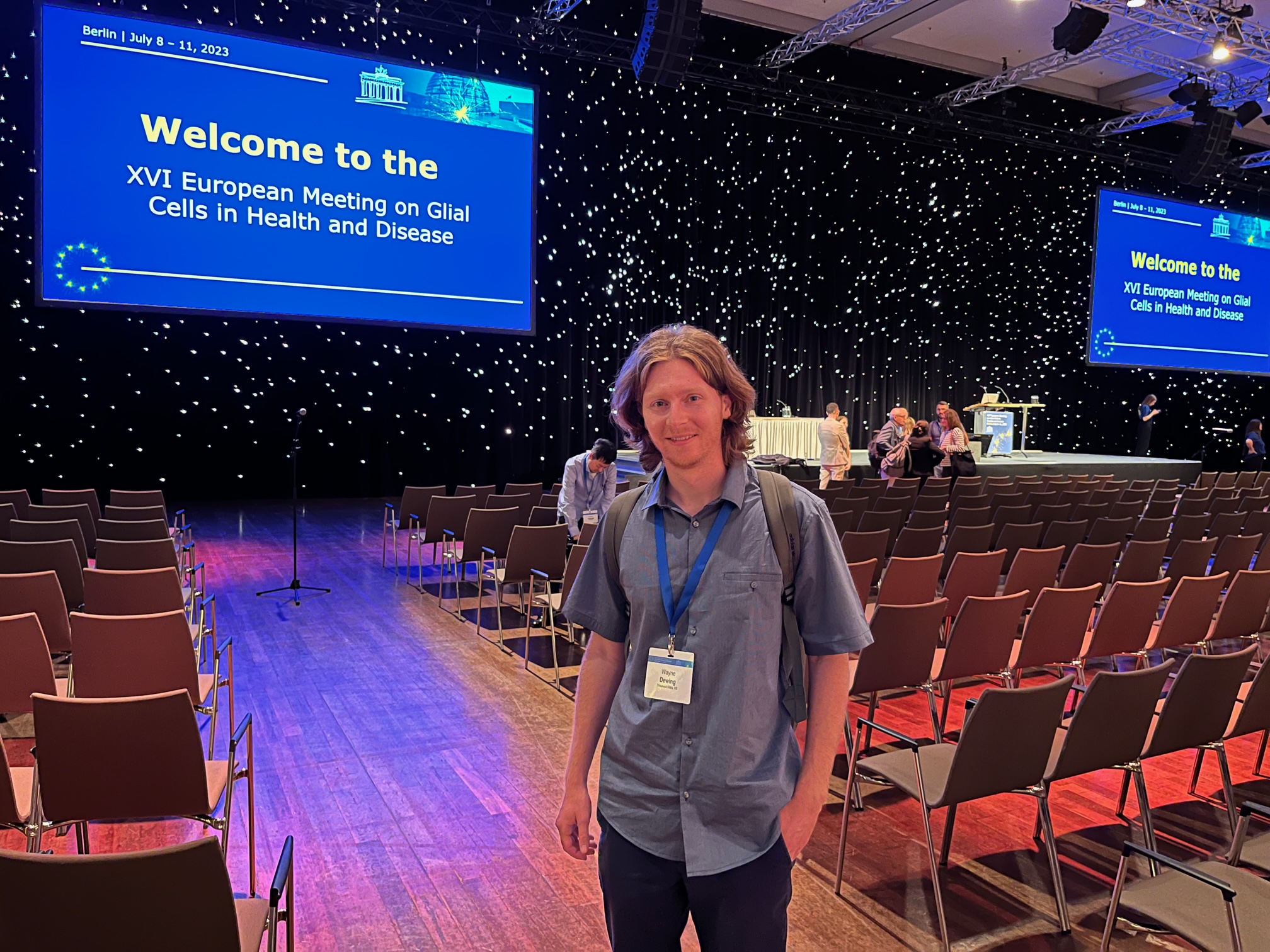
That summer in Berlin was absolutely surreal. The timing was perfect. Right as I arrived, an international neuroscience conference called Glial was taking place in the city, and my intensive German language classes commenced shortly after.
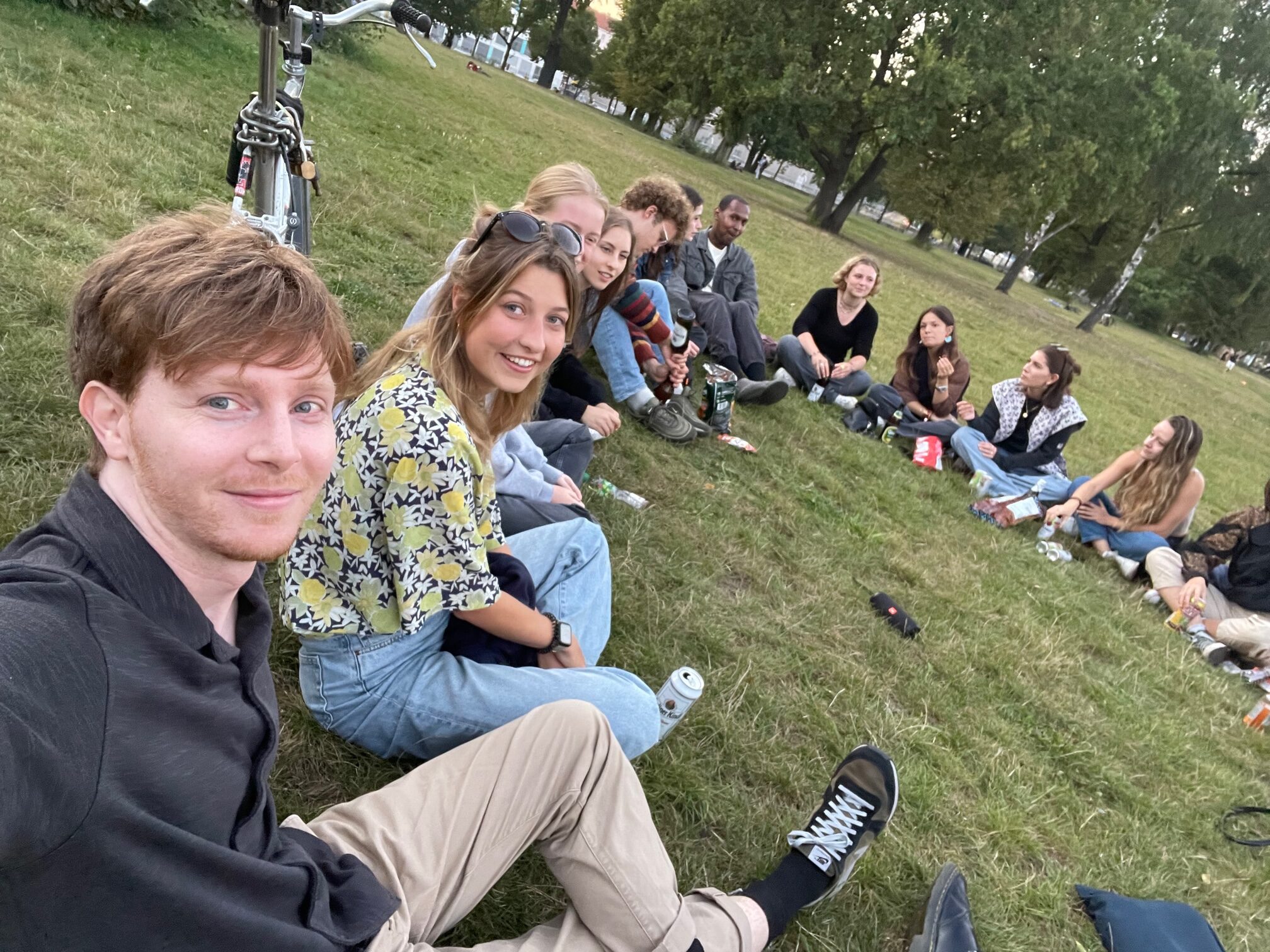
I quickly bonded with a group of friends who shared the exact same spirited enthusiasm to be there. Every day after class, we explored the city together. We had picnics at Mauerpark, discovered unique local coffee spots, and went on class field trips. In our excitement, we made a conscious choice to keep speaking German outside the classroom.
During those summer weeks, living this new lifestyle and being completely immersed in the environment, something clicked. I started thinking in the language.
I vividly remember going out one night with three new friends from Germany and Austria. We were having a deep, full conversation, and I was simply enjoying the moment. On my way home later that evening, it suddenly hit me: I had completely forgotten that we were speaking in German.
There was no sudden lightning strike. It was a gradual, quiet shift, but there I was, understanding everything and connecting with new friends without a single word of English spoken. Experiencing that breakthrough was incredibly rewarding.
Science and Philosophy in a Second Language
Science and Philosophy in a Second Language is a fantastic choice. It perfectly balances the academic prestige of this coursework with the incredible personal feat of doing it all in German.
Here is how that finalized section looks with the header in place:
Science and Philosophy in a Second Language
At Humboldt University, I dove straight into the academic culture. I took a course in the prestigious Mind and Brain graduate program, where I met brilliant, creative people working at the intersection of cognitive science and the philosophy of mind.
I also challenged myself by taking a philosophy course taught entirely in German. Sitting in the lecture hall before class started, listening to the local students chat all around me, I couldn’t help but smile. I felt exactly like that foreign exchange student I used to imagine back home before I left.
My studies kept me intellectually stimulated, but transcending my social comfort zone was the real transformation. I committed to a personal rule—always say yes to an invitation from a friend.
That simple openness compounded in amazing ways. After celebrating New Year’s Eve in Berlin, my new friend Matthias invited me to stay with his family in Vienna, Austria.
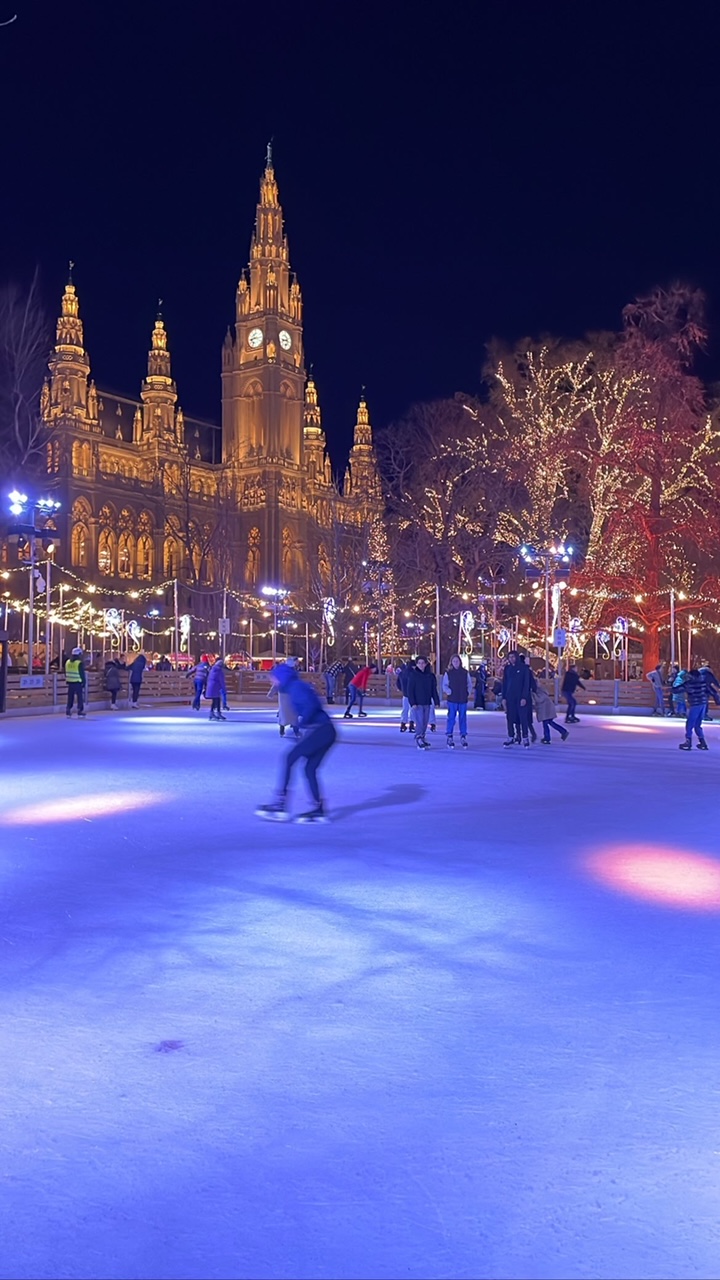
Experiencing a stunning winter in Vienna, ice skating, exploring historic cafés, and sharing dinners with his family using my German skills made me realize how easily I could have missed out on these life-changing moments if I hadn’t stepped out of my comfort zone.
A Future Without Constraints
Living in Berlin was easily one of the best years of my life. There wasn’t a single day where I didn’t feel deeply grateful for the experience.
I fell in love with the daily rhythm of Schöneberg, the lovely neighborhood I called home. I loved the excitement of leaving my quiet apartment and instantly stepping into the middle of a bustling macrocosm. I spent my time enjoying coffee dates, learning to navigate the city with a sense of complete freedom, and spending perfect summer days swimming in Schlachtensee and Wannsee.
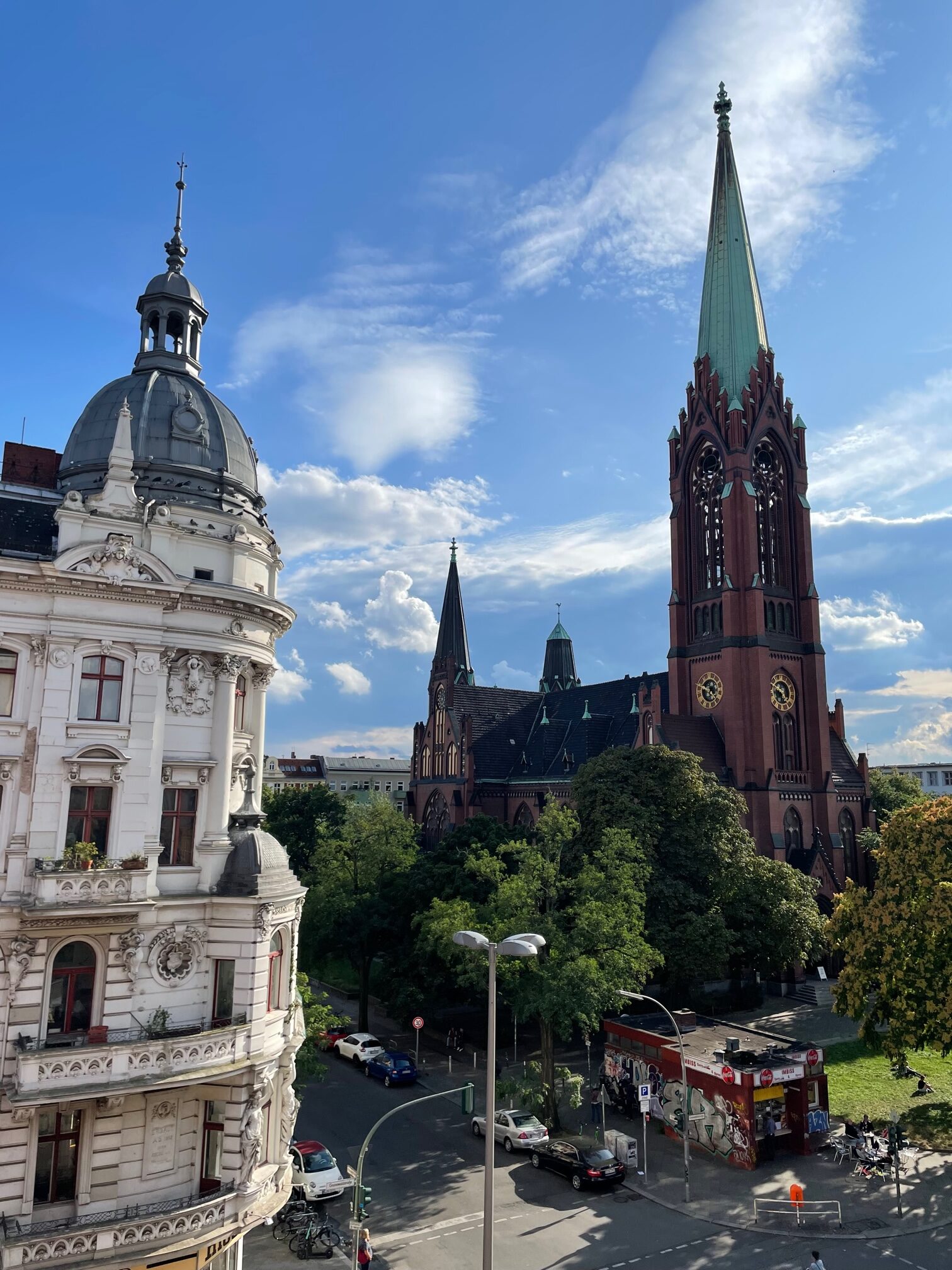
Even the quiet, solitary moments felt special. I’ll always remember listening to music through my headphones while watching birds whirl overhead, the spectacle of dance clubs that never closed, and the local dog who sat each day by a fruit stand outside my window. I memorized the train routes, bought amazing bread at the local Thursday market, and watched the seasons change against the backdrop of the beautiful gothic church towering across the street.
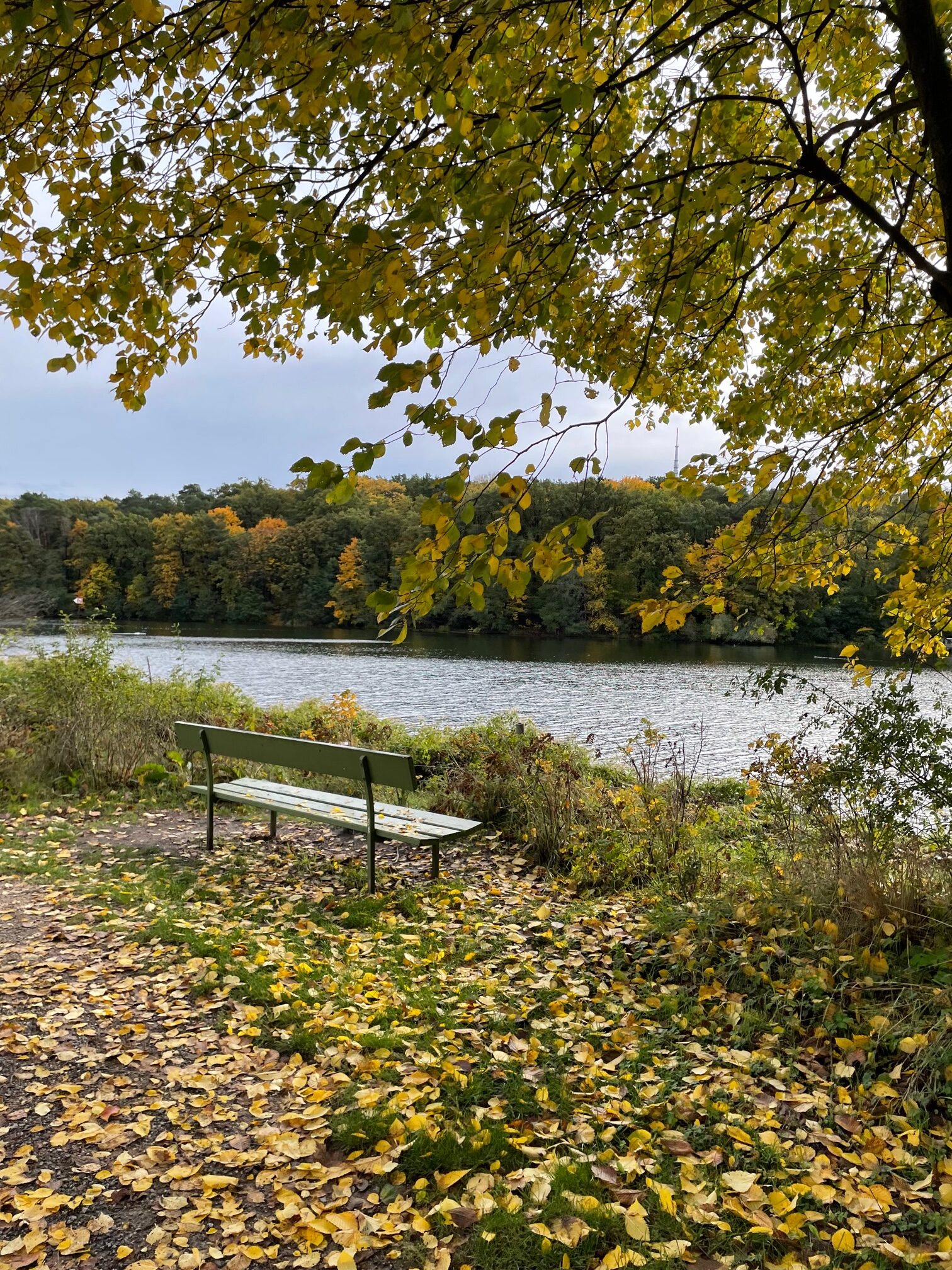
Now, I can officially speak German. I made lifelong friends, and my plans for the future are no longer so constrained. I’ve learned to let life meander without losing sight of the big picture.
I am still fully committed to neuroscience, but I am currently planning to pursue my master’s degree back in Berlin after I graduate. I will also be returning to my home campus with a minor, or possibly a double major, in German alongside my bachelor of science degree in Neuroscience.
Don’t overlook the shimmering possibilities that appear along your way. They won’t rob you of where you wish to end up—instead, they will shape you into someone you will be incredibly grateful you became.
Learn more about how language immersion and STEM pathways can expand your horizons abroad:
- Valerie Elizabeth Cruz (UC Irvine) turned initial uncertainty as a first-generation student into a clear calling, moving from an exploratory semester in Dublin, Ireland, to applying for a master’s degree abroad.
- Rebecca Mendoza (UC Berkeley) dove headfirst into physics lectures taught entirely in Catalan at the University of Barcelona in Spain, proving that taking STEM coursework in a new language opens unexpected doors.
- Monique Evdokiou (UC Berkeley) shares how letting go of rigid routines in Rome, Italy, helped her shift from comfort-zone stagnation into true cultural immersion.
0 Comments