
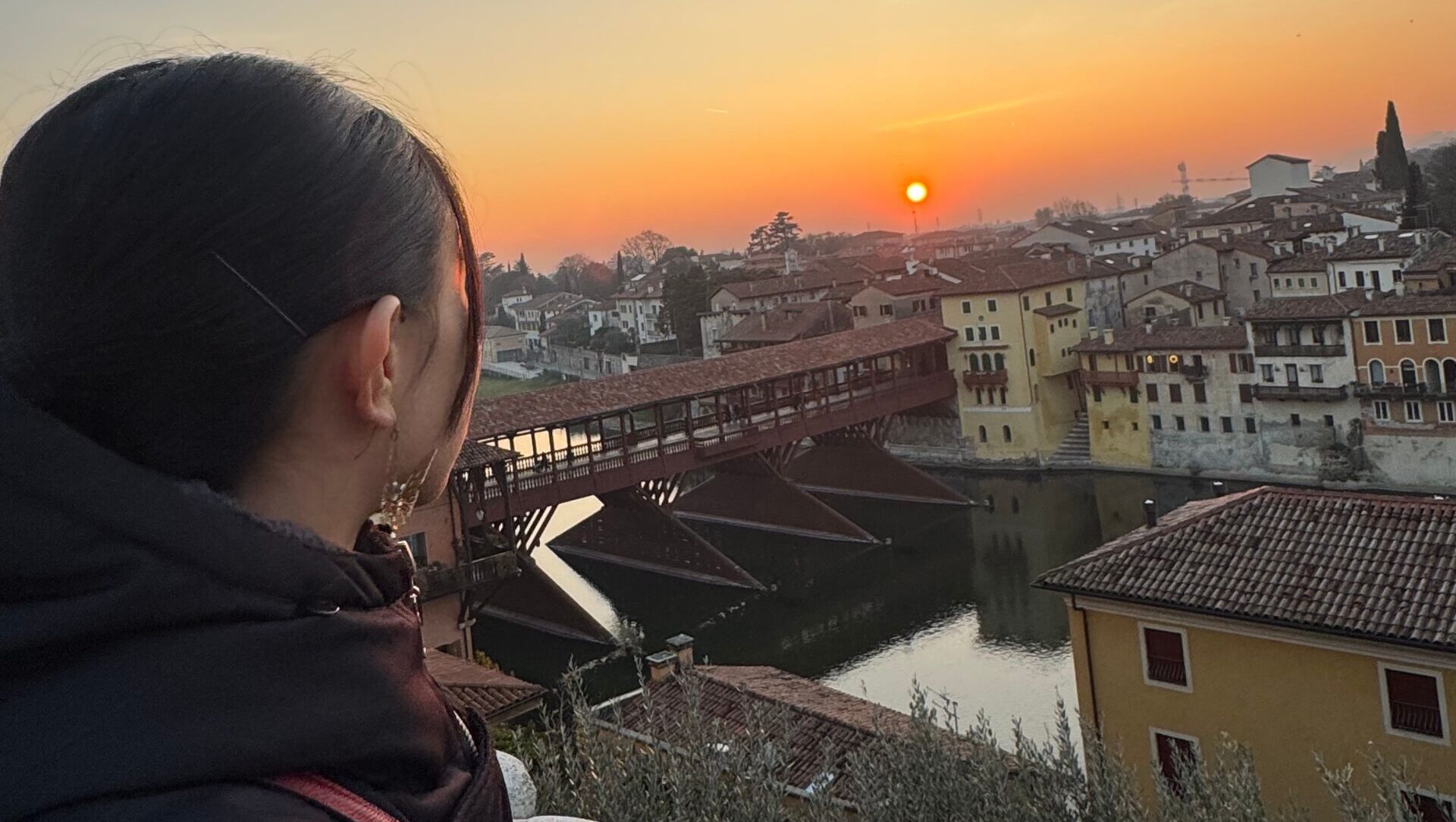
By Casey Lopez (UC Santa Barbara), winner of The Californian Abroad blog contest, studied abroad in Padua, Italy
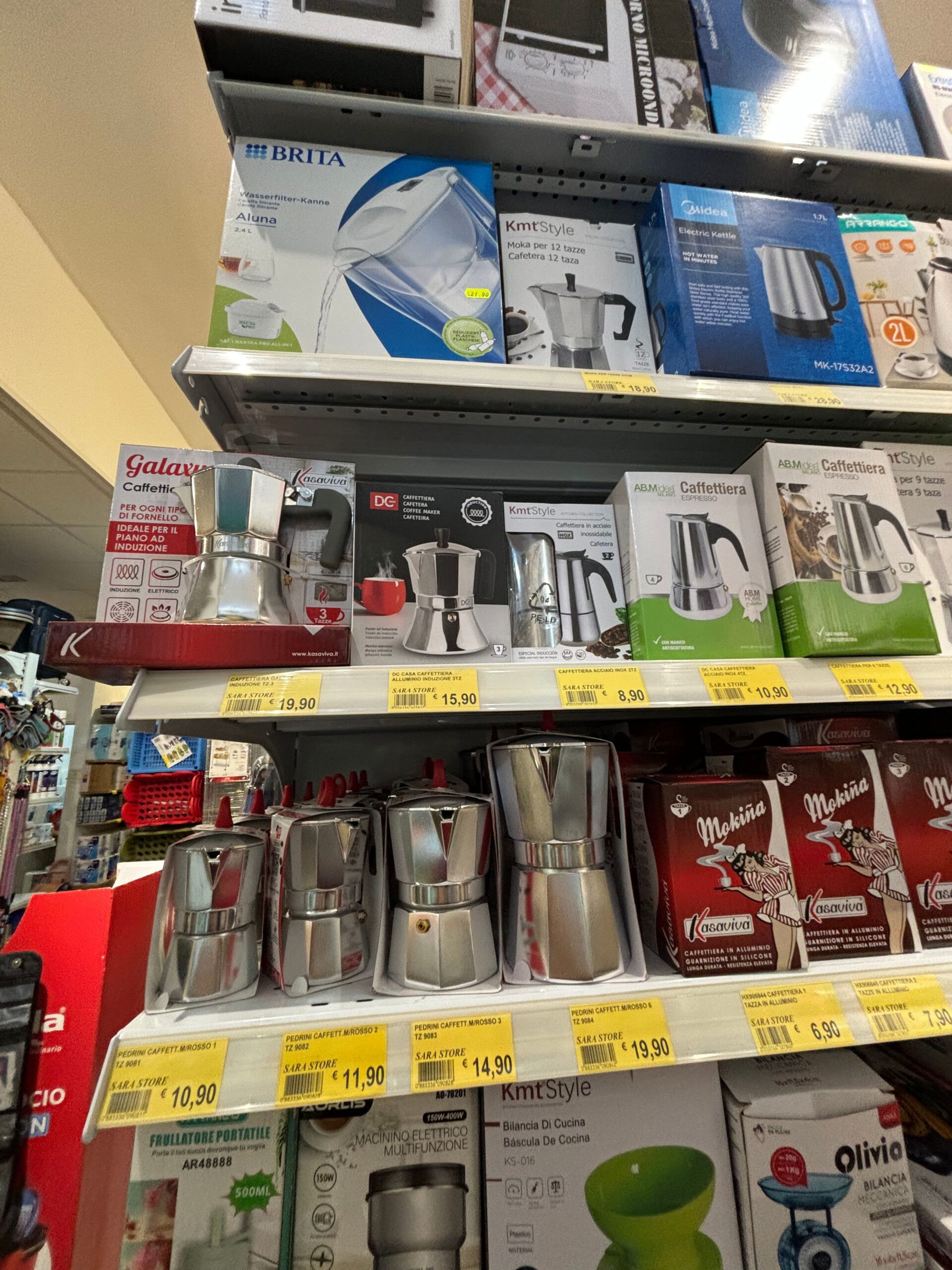
The first time I used my 10 euro Moka pot, one of Italy’s simplest and most iconic coffee makers, I was sure it was broken. Impatient and jetlagged, I stood at the communal kitchen stove, hoping no one would walk in to witness my struggle. It was my second of three hundred days in Padova – a charming northern city I had dreamt of studying in for over two years. But as I lifted the lid of my Moka and stared down at the empty chamber, incompetence washed over me. How was I supposed to live alone in a new country when I couldn’t make a cup of coffee?
Embracing the local coffee culture became an unexpectedly defining part of my time abroad. Coffee evolved into more than a pick-me-up or a means to stay awake during lectures. It became a daily reminder to appreciate life’s subtleties, venture outside my comfort zone, and find presence in fleeting moments.
Here are the lessons Italian coffee taught me during my year abroad and the lasting impact it had on my approach to life.
Slowing Down and Savoring the Small Moments of Each Day
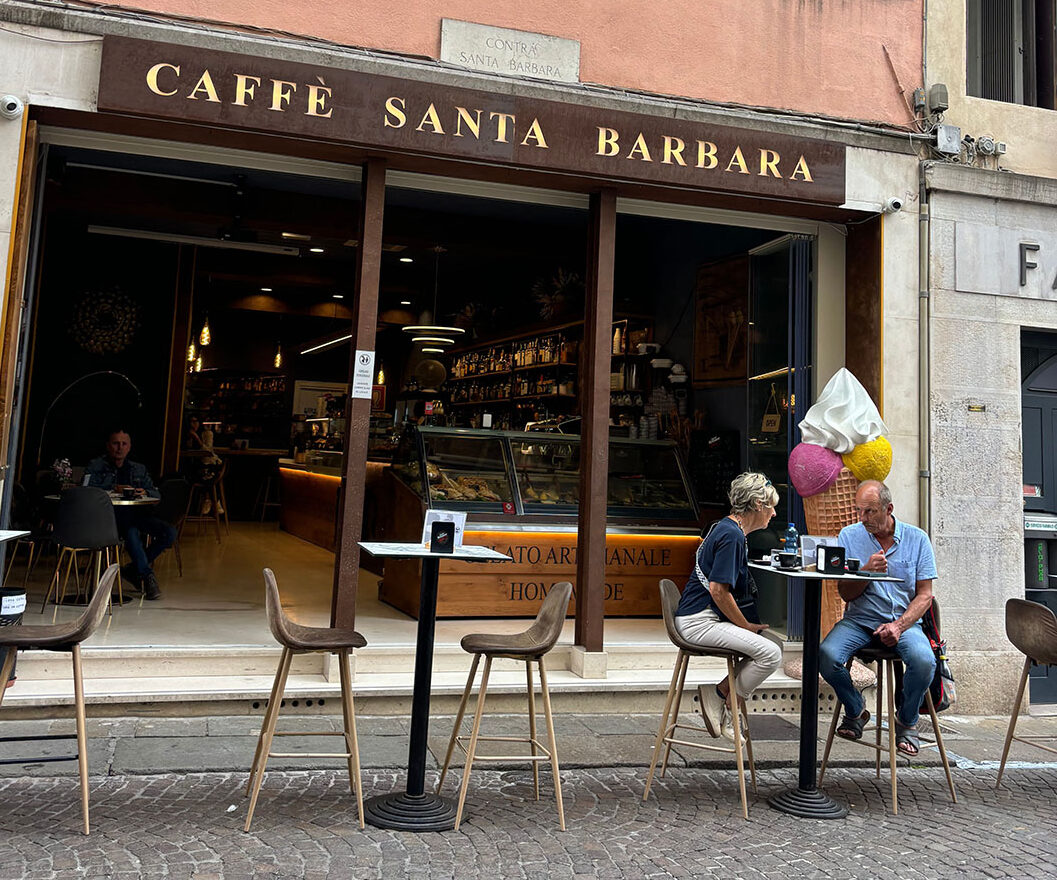
In Italy, a coffee break translates to “una pausa caffè” – a literal pause (“pausa”) from work or activities to relax and sip coffee. In Padova, it is common to find locals lounging outside bars with their coffees, unwinding and watching pedestrians stroll by.
For me, however, mornings were a time for anything but a pause. Growing up in an industrious military family, I learned to optimize every minute of my day.
My daily pursuit of punctuality and productivity made Italy’s unhurried lifestyle feel initially uncomfortable. In fact, the first few coffees I ordered in Italy were to-go. Before living abroad, it never occurred to me to slow down and enjoy my coffee.
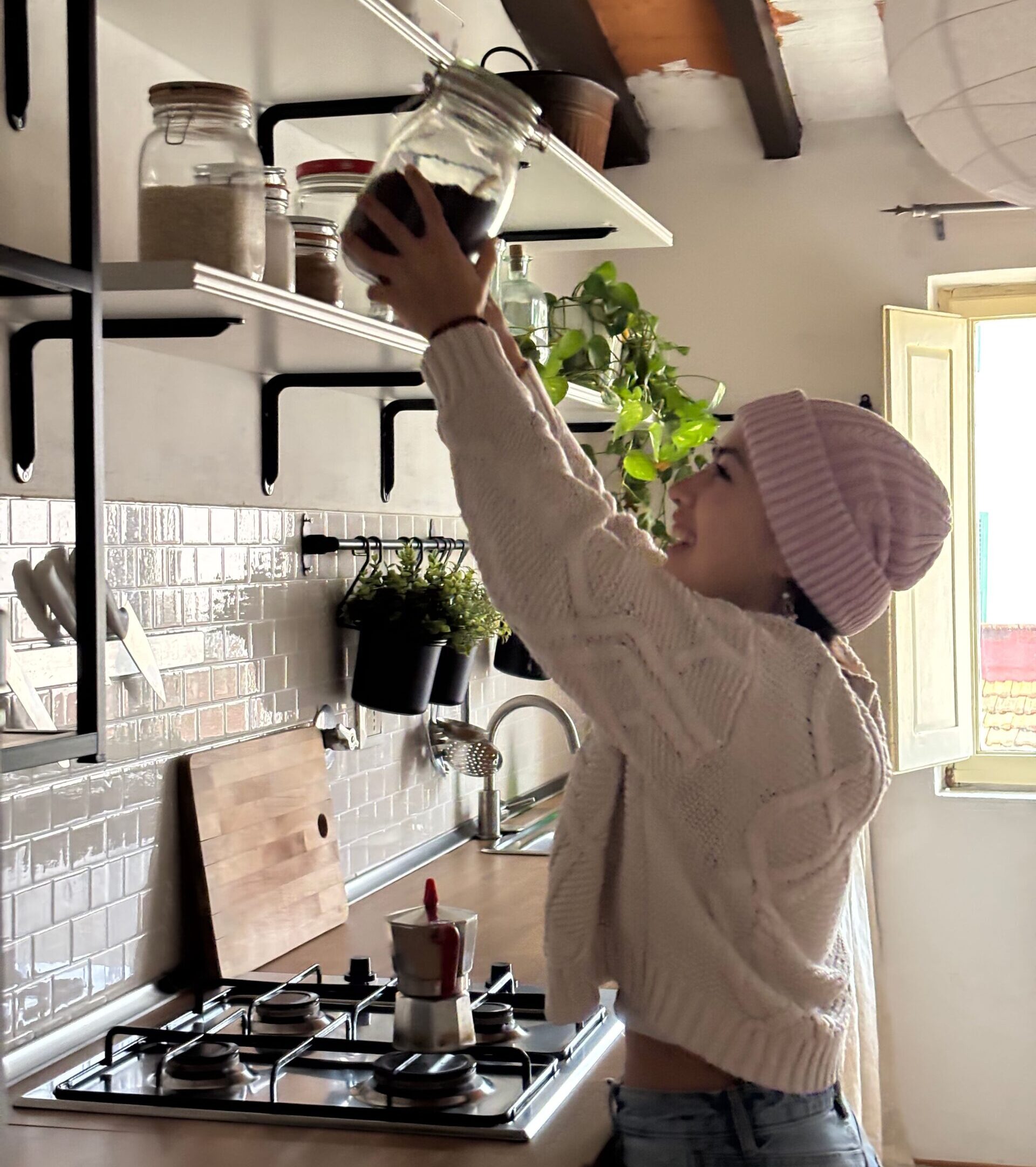
So in confronting the culprit behind my failed Moka pot attempt, I discovered exactly what it was: impatience. I did not wait long enough for the water to boil. My Keurig back home took one minute, whereas my Moka pot took fifteen. At first, I dreaded waking up earlier for those fifteen minutes, but over time, I began looking forward to them. They became fifteen minutes of pure, uninterrupted presence.
Brewing fostered a daily moment of mindfulness, regardless of the assignment, travel plans, or other stressors occupying my mind. Learning to use my Moka pot – much like studying abroad – taught me how to trust the process and enjoy it, too.
Eventually, I stopped ordering my coffee to-go. Instead, I found solace in taking a seat and watching the city wake up. My embrace of the slower local lifestyle created space to appreciate the details that made my day-to-day life abroad special.
Practicing this mindfulness has become second nature to me. I am now an active participant in my life rather than a passive bystander. Every wrong train, walk to the grocery store, or bittersweet goodbye—just like my coffee, I have learned to slow down and savor each experience that life throws at me.
Feeling at Home in Padova and Finding Belonging
On those days when homesickness made it difficult to leave my room, there was nothing that got me out of bed quite like coffee. Finding coffee in Italy is notoriously easy, as stopping for one on the daily commute is a local routine. After a few months, I adopted this habit. With an empty schedule and a cafe on every corner, I embarked on quests in search of new spots to enjoy my espresso.
Before going abroad, I dreaded the idea of walking everywhere, which is why it surprised me how much I fell in love with it.
Wandering around Padova in search of coffee continued to renew my sense of adventure, even after settling in. One day, I could stumble upon a beautiful river or a vibrant street market. On another day, I could run into a friend who would practice ordering in Italian with me. I gained confidence navigating Padova and grew attached to its beautiful scenery. I started recognizing the same baristas, memorizing the twists and turns of the sprawling neighborhoods, and overcame the fear of existing as a foreigner in a new place.
I found walking to be my favorite way to experience the city. The more I explored Padova, the more deeply I felt a part of it. Finding coffee created an opportunity to interact with my host country in an exciting yet comforting way.
Now, whenever I find myself in a new place, my tradition is to always try a nearby cafe. I forgo driving when possible, opting to take my time walking. While it can feel less convenient at times, I find the adventure to be the best way to discover an unfamiliar place.
Breaking Barriers and Fostering Connection
I believe the social aspect of Italian coffee culture is its most invaluable characteristic. To me, Italian cafes are community spaces, where neighbors check in on one another and baristas know customers by name.
Reflecting on the American lifestyle, I realized how a car-centric, rushed, and convenience-forward society removes many opportunities for these meaningful interactions.
Before living abroad, I struggled with social anxiety and frequently isolated myself from others. Italian culture’s normalcy in inviting people out for coffee gave me the courage to seek out connection.
Despite my anxieties, I asked classmates, fellow dorm residents, or even strangers I had just met to grab a coffee. With each conversation, I fostered deeper relationships with other international students who had also grappled with feeling lonely abroad.
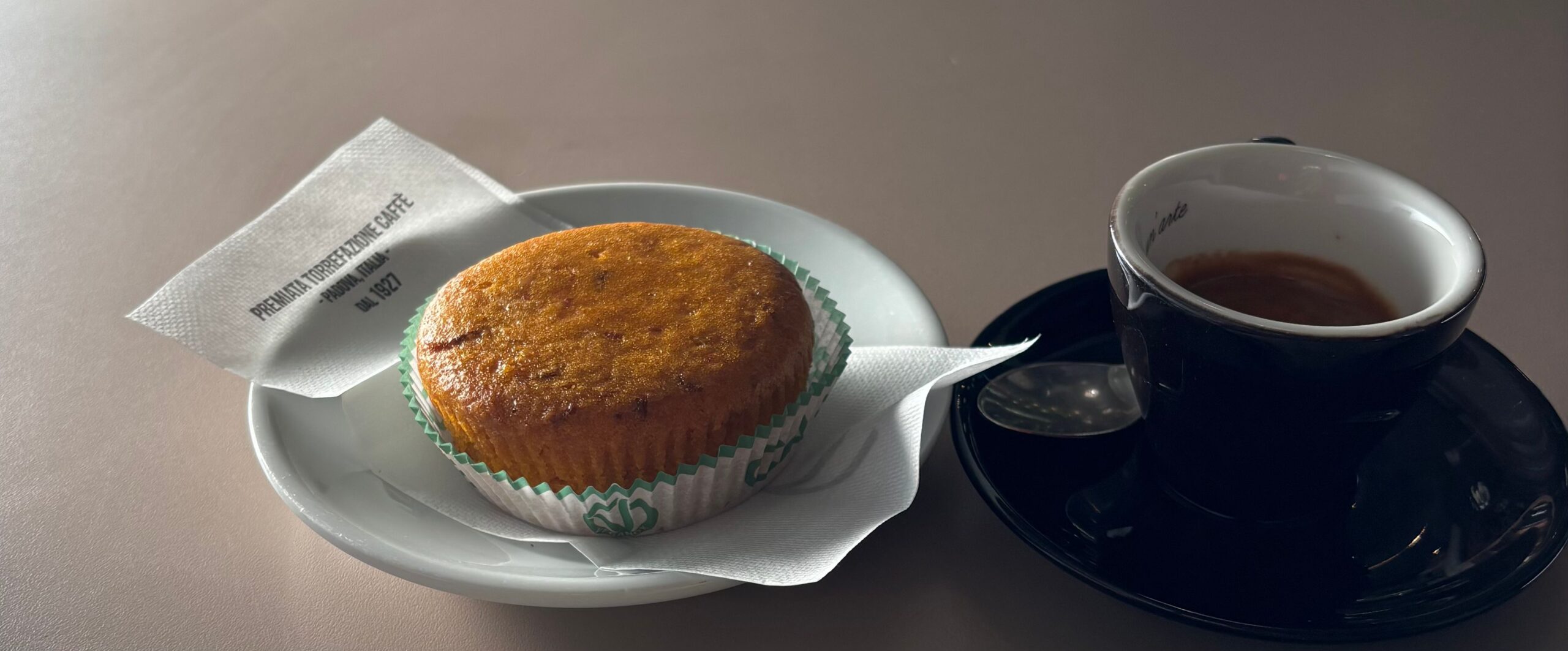
These experiences showed me that meaningful connection is not found—it’s built. Sometimes it takes those awkward pauses and silences to truly discover the person sitting across from you.
Over coffee, my newfound friends and I talked about anything from our dream destinations to our greatest fears. We exchanged memories of our home countries, comforted each other during hardships, and contemplated pressing global issues. I could never have imagined how a shared coffee-drinking custom could unite people with such diverse lived experiences.
Looking back on my time abroad, it wasn’t checking off bucket-list items that was most memorable—it was moments of connection with others. The social aspect of coffee taught me that building community is a slow, sometimes casual process that is an essential part of the human experience.
With such busy lives, it’s easy to neglect how these relationships ground us. I make a far greater effort now to nurture them. I continue to invite others out for coffee and regularly check in on my circle.
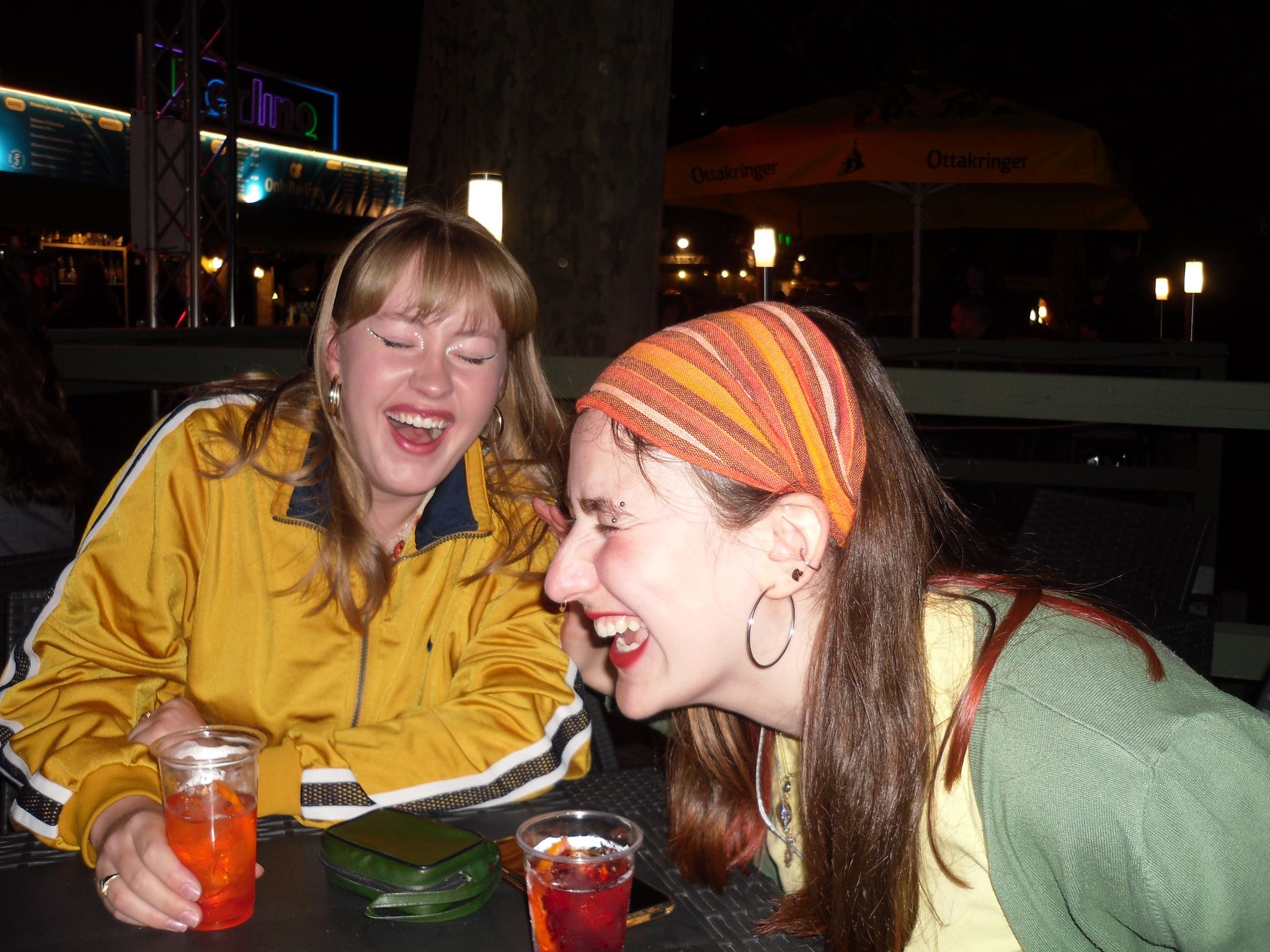
By cultivating connection with others, we challenge ourselves to show up as more empathetic, open-minded versions of ourselves—thus better appreciating the parts of being human that bridge us all.
Lessons Taken To-Go and My Post-Grad Life as a Full-Time Barista
Italian coffee culture challenged me to take life slow, to find beauty in the mundane, and to never underestimate the value of community. My experiences in Italy inspired me to become a full-time barista, where I embody these lessons every day. As I figure out the next steps in my career, being a barista allows me to share my love of coffee and serve my community.
At the end of the day, I know so little about what my customers might be going through. Some come in on their wedding day; others enter after hearing devastating news. Perhaps I have customers dealing with a similar loneliness and a sense of unbelonging to what I experienced abroad.
For this reason, I strive to serve my customers with patience, warmth, and connection, hoping they leave feeling better than when they arrived. By leaning into all that Italian coffee culture could teach me, I left Padova more present, resilient, and fulfilled than when I arrived.



0 Comments