
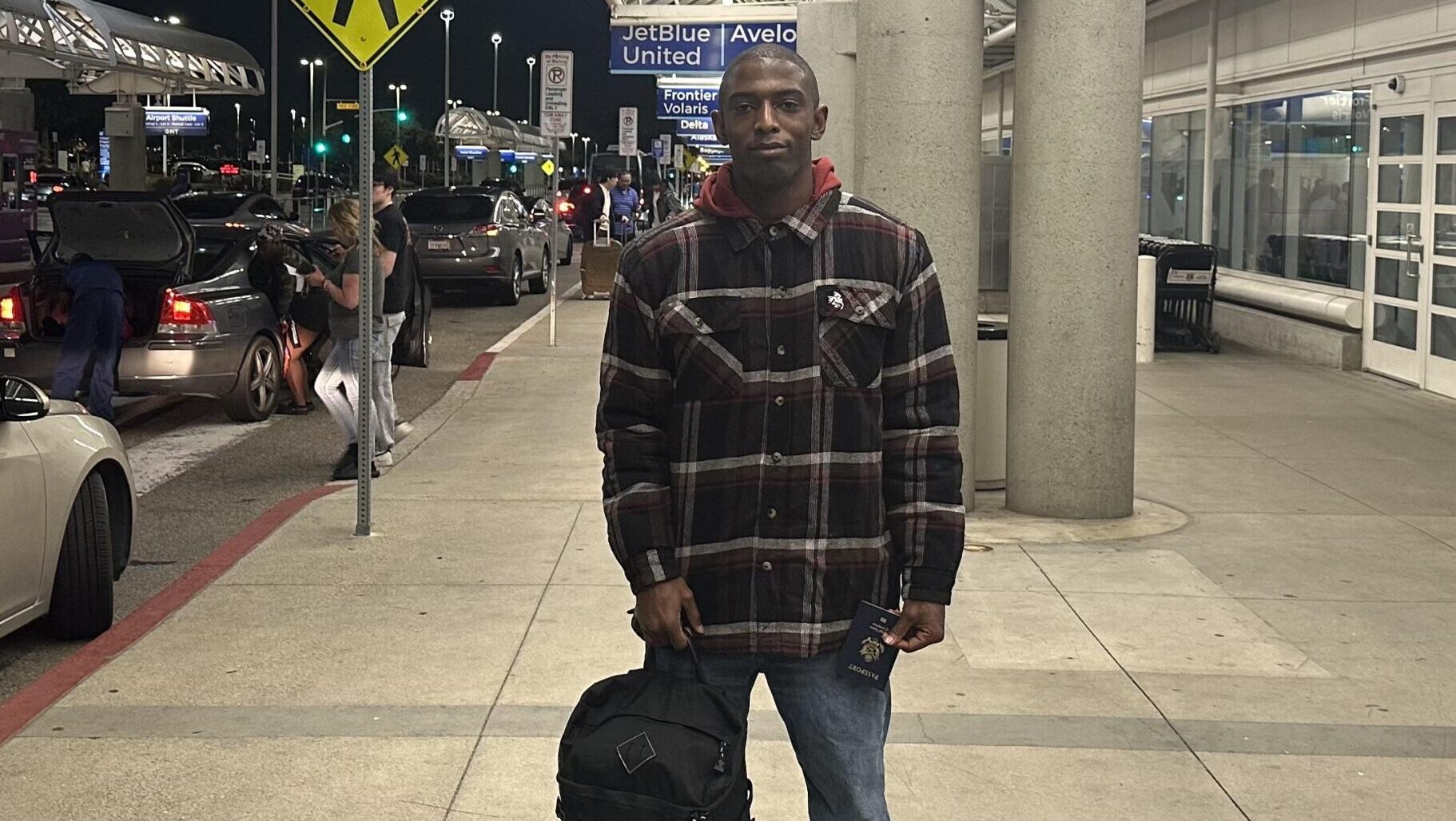
By Denmark Harris (UC Berkeley), winner of The Californian Abroad blog contest, studied abroad in Kyoto, Japan
I was excited to study abroad in Japan—but I was also afraid. As a person of color, I knew I was heading to a country where the vast majority of people wouldn’t look like me. My biggest goal was to build meaningful relationships with local Japanese people, but I couldn’t stop a “best-case scenario” from playing on loop in my head.
In that dream version of Kyoto, I’d attend Doshisha University, find a group of friends, and we’d celebrate hanami—the traditional Japanese custom of flower viewing. I pictured us under the cool shade of a cherry blossom tree, laughing over a picnic lunch. But until I actually touched down in Japan, I wasn’t sure if that was possible for me.
Hint: I learned hanami carries a deeper cultural nuance while in Japan.
My anxiety wasn’t baseless; it was rooted in my life back in the United States. While I love being a student at UC Berkeley, my early days on campus were isolating. I’d felt the sting of being “othered,” those moments where people gave me fearful looks or regarded me with total indifference. I worried that my identity as an African American man preceded me because of how we are often portrayed in the media. I even started wondering, “Is there something wrong with me?” Though I eventually found my community at Berkeley, that fear of exclusion became the lens through which I viewed Japan.
Ten Minutes Outside the Door
Determined to break down those social walls, I turned to a classic university move: joining a club. I signed up for a Doshisha University “circle” called ESS, a group that brings Japanese and international students together to practice language and build cross-cultural bridges.

On the night of my first meeting at Shinmachi Student Hall, I stood outside the door for nearly ten minutes. I was paralyzed by the same old questions: How will they see me? Will they be intimidated? Will I be accepted?
I almost turned around and went home. But then I remembered the goal I’d set for myself, took a breath, and walked inside.
I approached a table where students were chatting over a card game. “Is this ESS Club?” I asked. A student (whom I’ll call Kaho) smiled and replied in English, “Yes, it is. If you’d like, you can sit with us”. She even stood up to find me an extra chair.
I did my jiko shōkai—a self-introduction—telling them I was an exchange student from California. When they heard my name was Denmark, they were genuinely surprised in the best way; they thought it was so cool. We dove into a game called Eigo Dake (English Only). I was new and definitely made some mistakes, but everyone was incredibly patient as I caught on.
Finding Hanami at a Sushi Belt
Over the semester, I attended almost every Tuesday and Thursday meeting. That consistency was the foundation for something deeper. Soon, our club relationships turned into genuine, off-campus friendships.
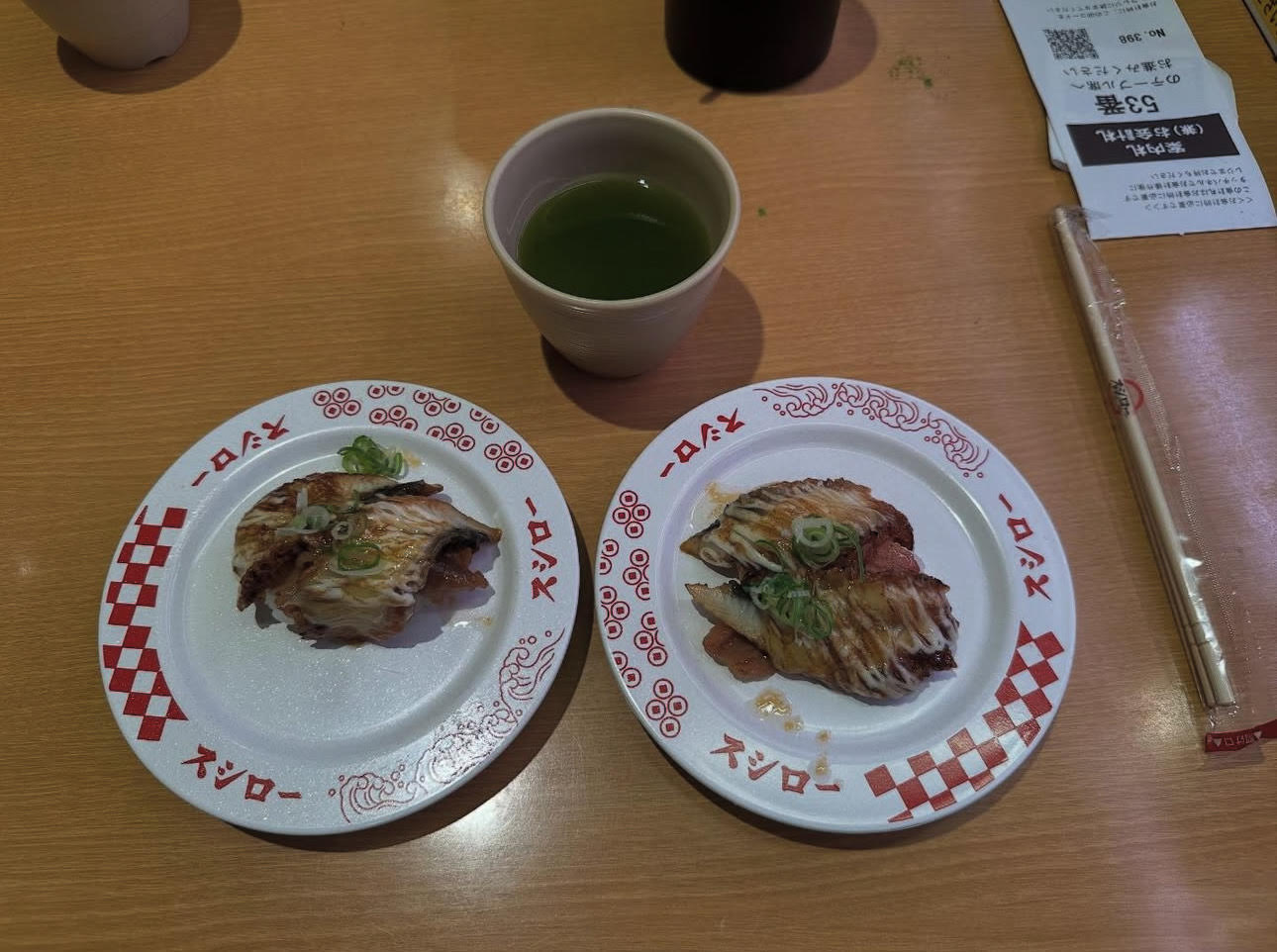
One of my favorite memories is heading to a Starbucks near the Imadegawa River with a few friends, then to Sushiro for dinner, a popular conveyor belt sushi chain. It was my first time trying unagi (eel) sushi from a moving belt, and it was delicious.
While munching on that unagi, it dawned on me: my “best-case scenario” had become a reality. We weren’t sitting under a cherry blossom tree, but the connection was the same. This was my hanami—a moment of appreciating a beautiful, fleeting connection that felt like it would leave a lasting mark.
I realized that while my past experiences of being judged were valid, how you show up matters more than what you show up as. I showed up consistently. I showed up with a desire to learn. Some days I was my bubbly self; other days I was moody, frustrated with my own language progress—but I still showed up.
Bringing the Bridge Back to Berkeley
The harsh truth is that I did still face moments of prejudice in Japan. Some people gave me distrustful looks or showed impatience when I struggled with my Japanese. But those moments were the exception, not the rule. I experienced far more smiles and kindness than I ever expected.
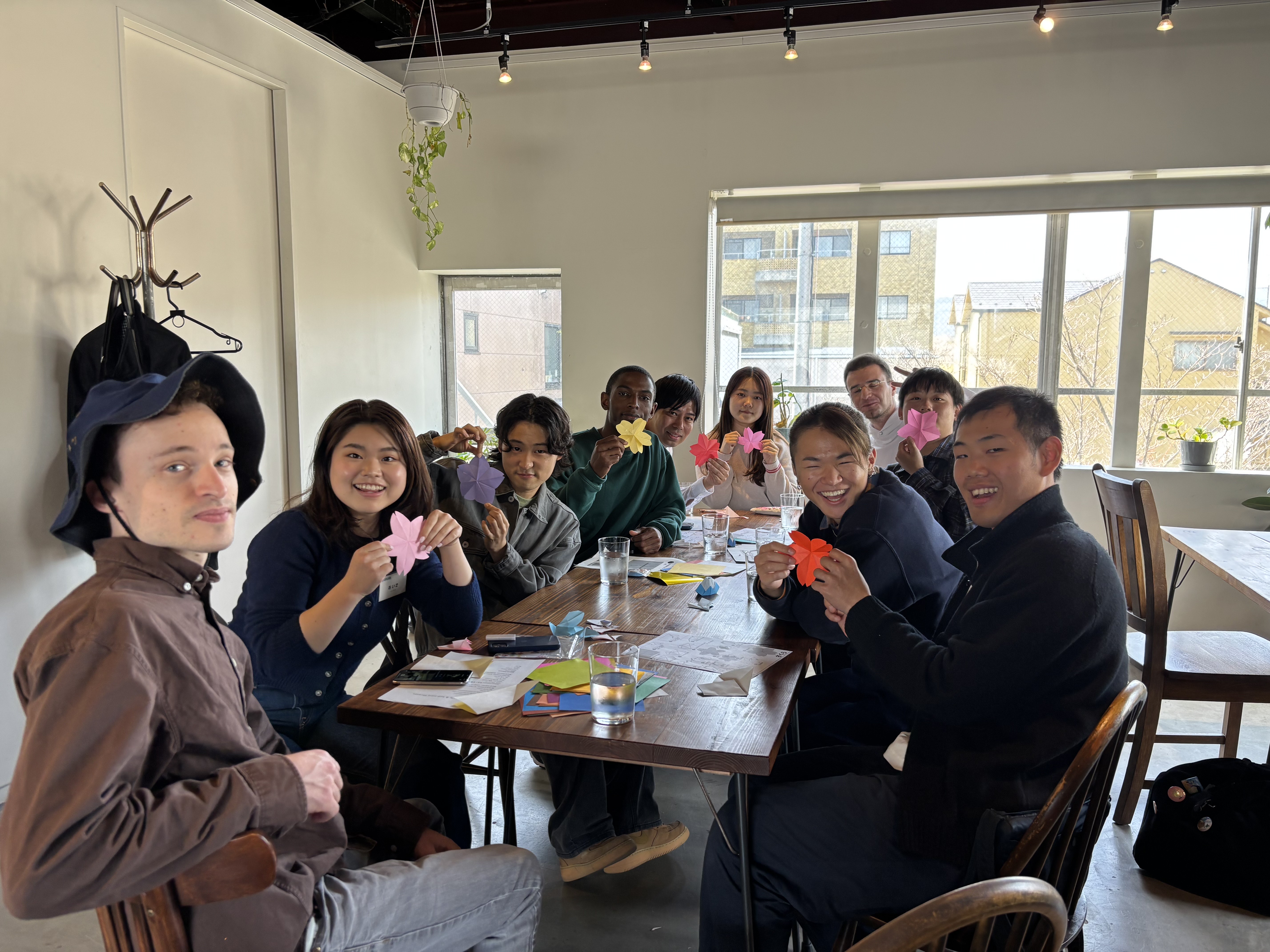
Ultimately, Kyoto taught me never to internalize the idea that there is something “wrong” with me. My identity isn’t a barrier—it’s just me. When I stay true to myself, the right people gravitate toward me.
Now that I’m back at UC Berkeley, I’m committed to being as open and authentic as I was abroad. I still struggle with it sometimes because the fear of being hurt is real. But whenever I feel those walls creeping back up, I remember the bridges I built in Kyoto. I remind myself that if I don’t take that first step through the door, I leave no path for others to reach me.


0 Comments