
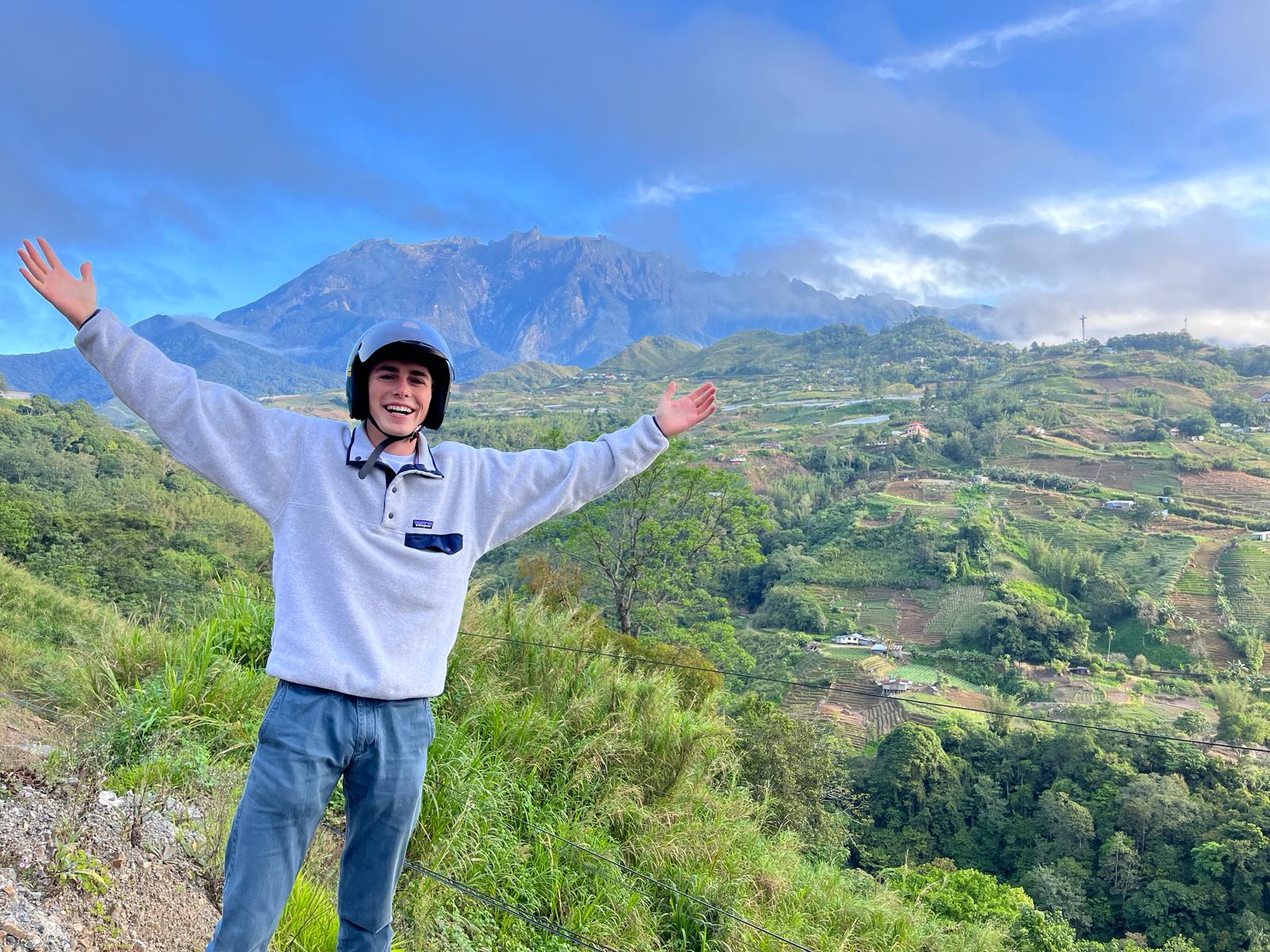
by Clark Boyce (UC Berkeley), studied abroad in Singapore
Everyone goes into studying abroad with their own plans, expectations, and questions.
Will I find friends when I get there? Will I like the food? What will my living situation be like? How hard will the classes be?
I started out studying abroad in Singapore with a close friend from Berkeley. We planned to take trips together and explore Southeast Asia side by side. One of the most important things you’ll learn when you study abroad is that your plans don’t always work out the way you expected. Often, they work out for the better!
Starting Out Together
At the National University of Singapore (NUS), Rohan and I took a unique course on speech writing—and we were the only international students in it. Each week, we enjoyed presenting on an academic topic of our choice and receiving feedback from our peers.
We also got to hear what it’s like to have mandatory military service before attending university, and their perspectives on the casual racial prejudice that exists in Singapore. It was a fantastic way to learn more about their experiences growing up there and how the country is becoming more diverse and intertwined with other countries.
It became a ritual for us to get dinner together after class at the nearby Supper Stretch—a row of eateries—to try a new restaurant and continue discussing the topics from the class session. Having a close friend from home made the adjustment to Singapore easier—someone who understood where I was coming from and shared the excitement of being 8,000 miles from home.
One Trip Can Change Everything
On our first trip to Thailand together, we realized that we had different travel styles. I was much more about high-octane adventure, and I planned my day with 20 activities to check off the bucket list. He preferred to take his time throughout the day and savor the moment. I was excited to take a solo motorbike ride to an elephant café, while he wanted to join a Thai cuisine cooking class with some of our other friends.
Rather than feeling disappointed by this, I realized I was lucky.
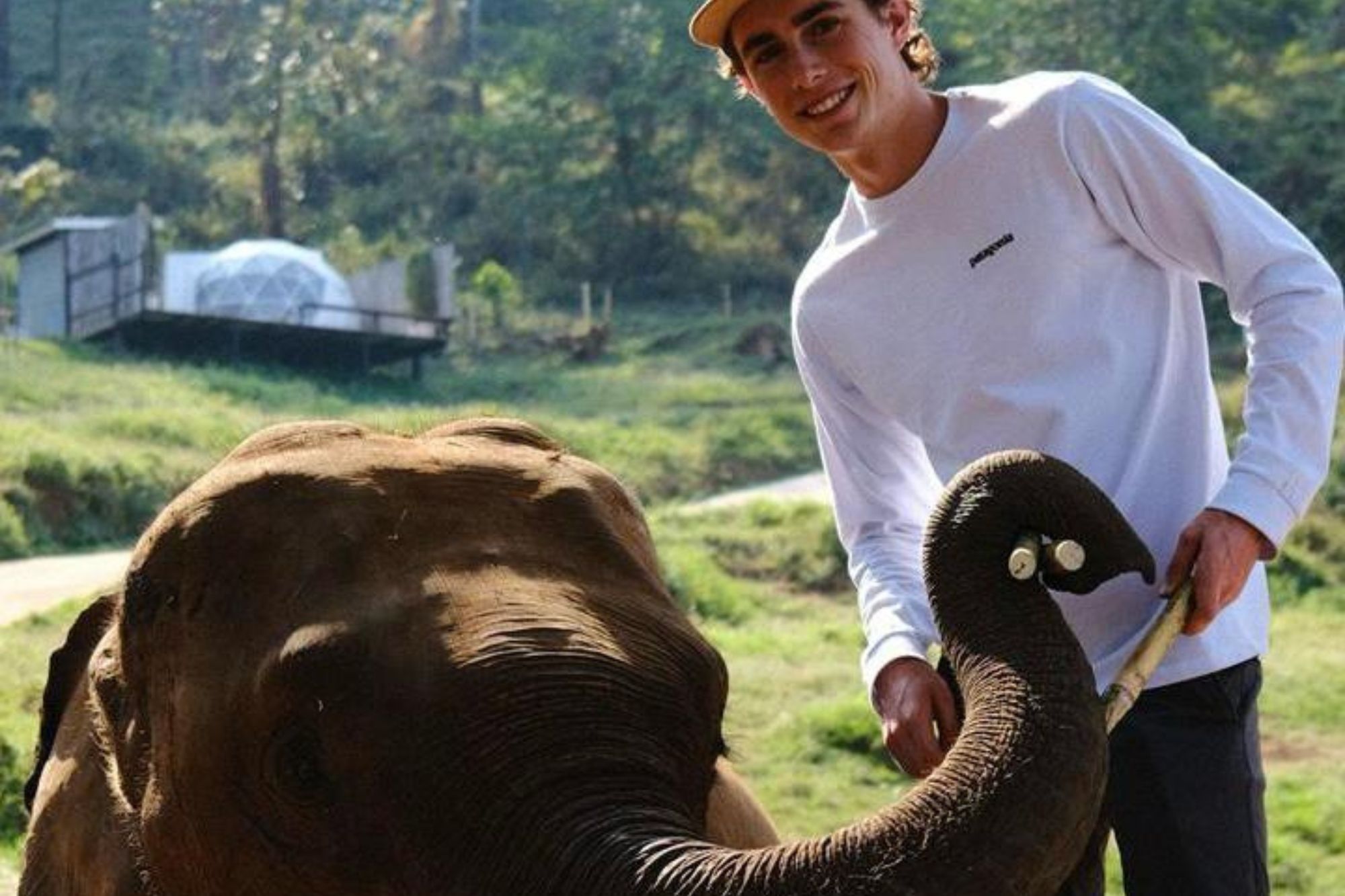
I realized that just because we were close friends didn’t mean we had to do everything together. And more importantly, I discovered that I was capable of—and even excited about—traveling on my own terms.
You Have to Discover Your Own Personal Travel Style
Back at NUS, I met a student named Bas from the Netherlands who shared a similar travel style to mine and was open to a trip focused on adventure. At the end of the semester, Bas and I embarked on a three-day trek to summit Mount Rinjani, an active volcano on the island of Lombok in Indonesia.
Covering more than 10 miles and 13,000 feet of elevation gain, we wove through jungle and across meadows. Along the way, we met two Swedish girls with whom we connected over a game of Yahtzee and dinner of mee goreng (Indonesian instant noodles). On the day we were set to reach the summit, Bas and I put in our best effort and were the first people to arrive. This gave us an extra 30 minutes to admire the most brilliant stars I have ever seen before snagging the best spot for a sunrise view.
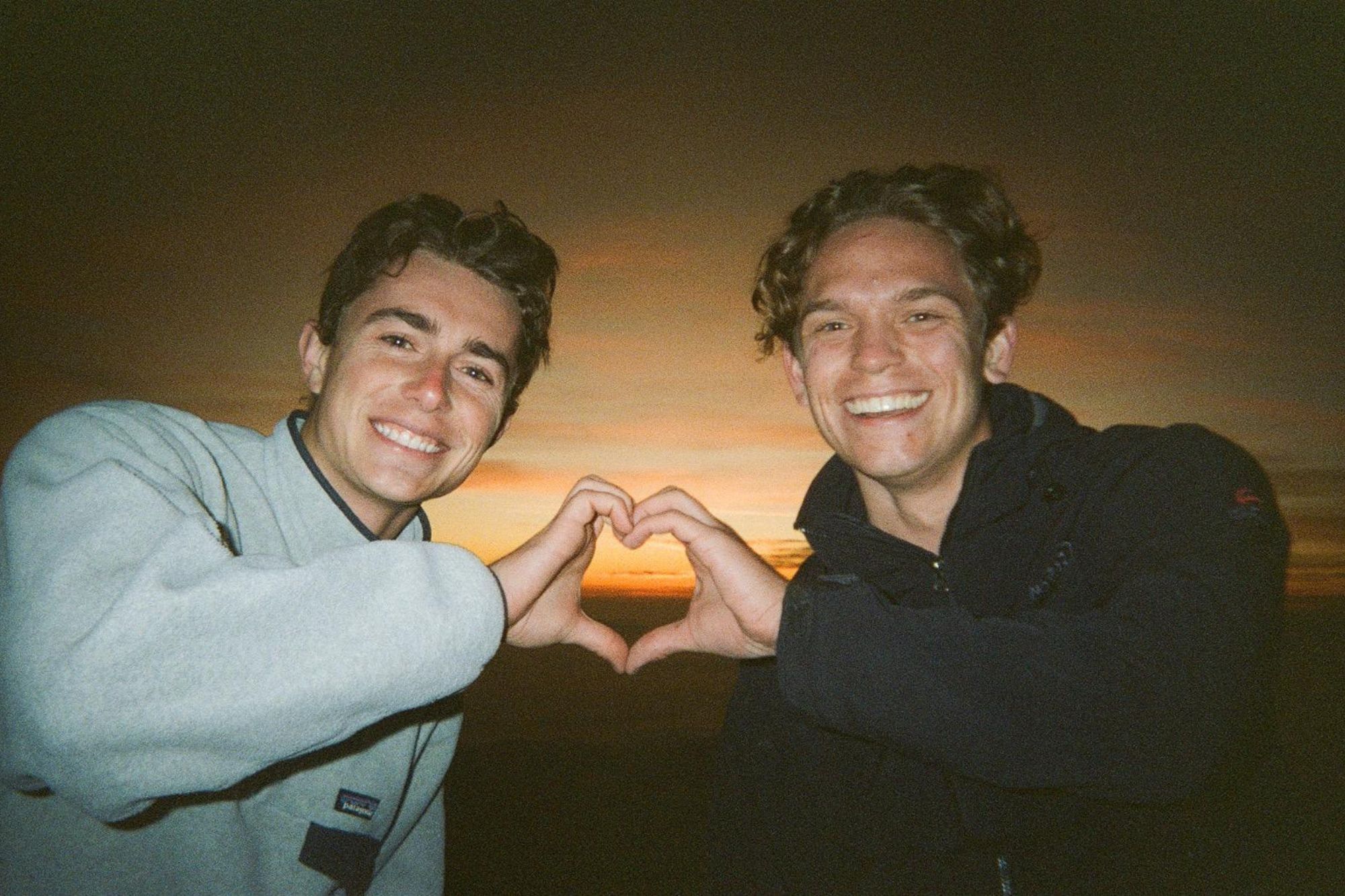
It was a moment that I will never forget, and the first lesson in learning my personal travel style. I discovered the view is always worth the effort it takes to get there.
You’ll Also Embrace Solo Adventures
After the awe-inspiring trek, I planned to spend three days in Bali. Of course, I didn’t realize the northern part of the island was so remote, so when I was accompanied only by local Balinese instructors who knew some English and three French-speaking divers from New Caledonia, I really struggled to connect with them because of the language barrier.
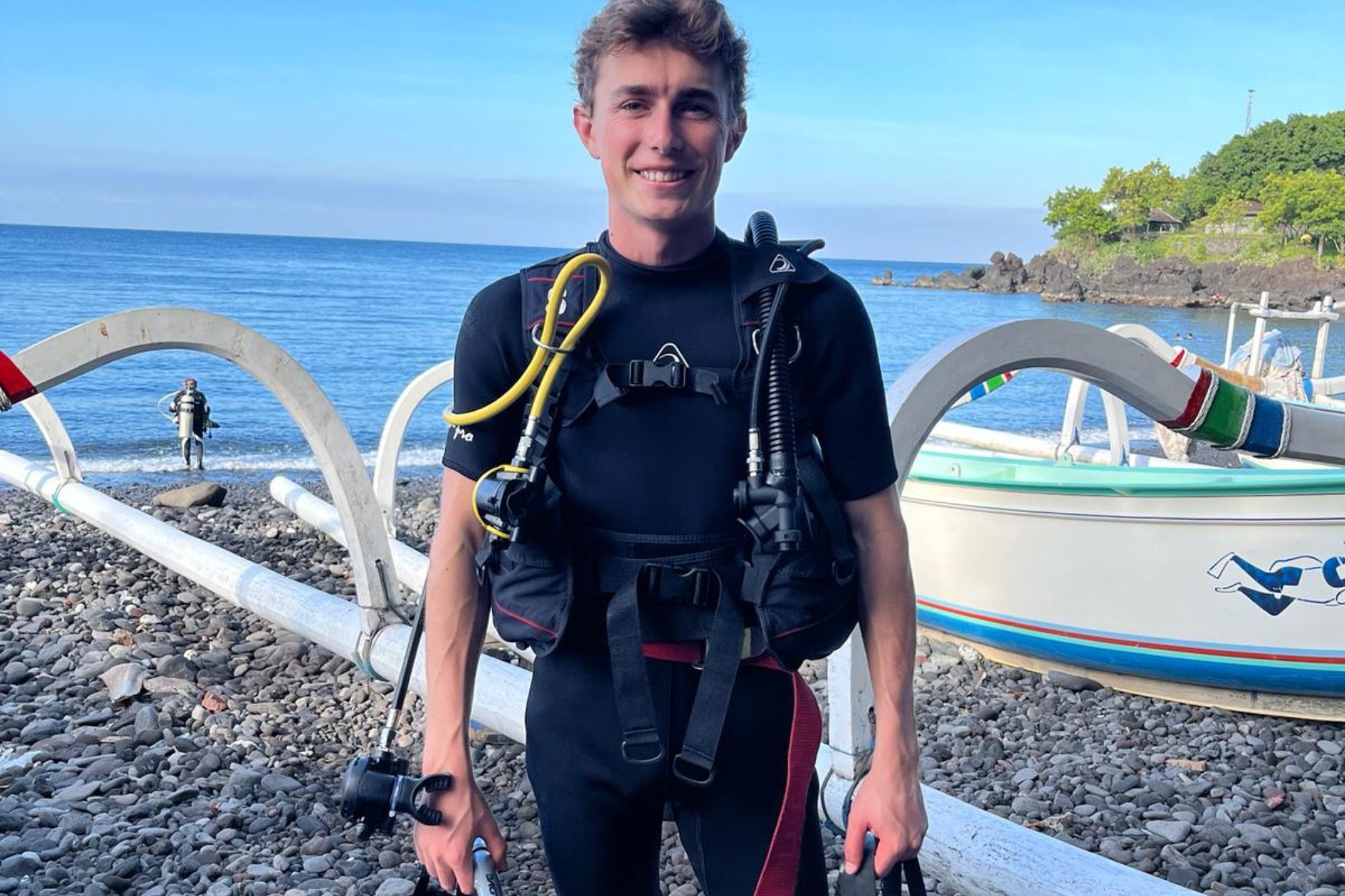
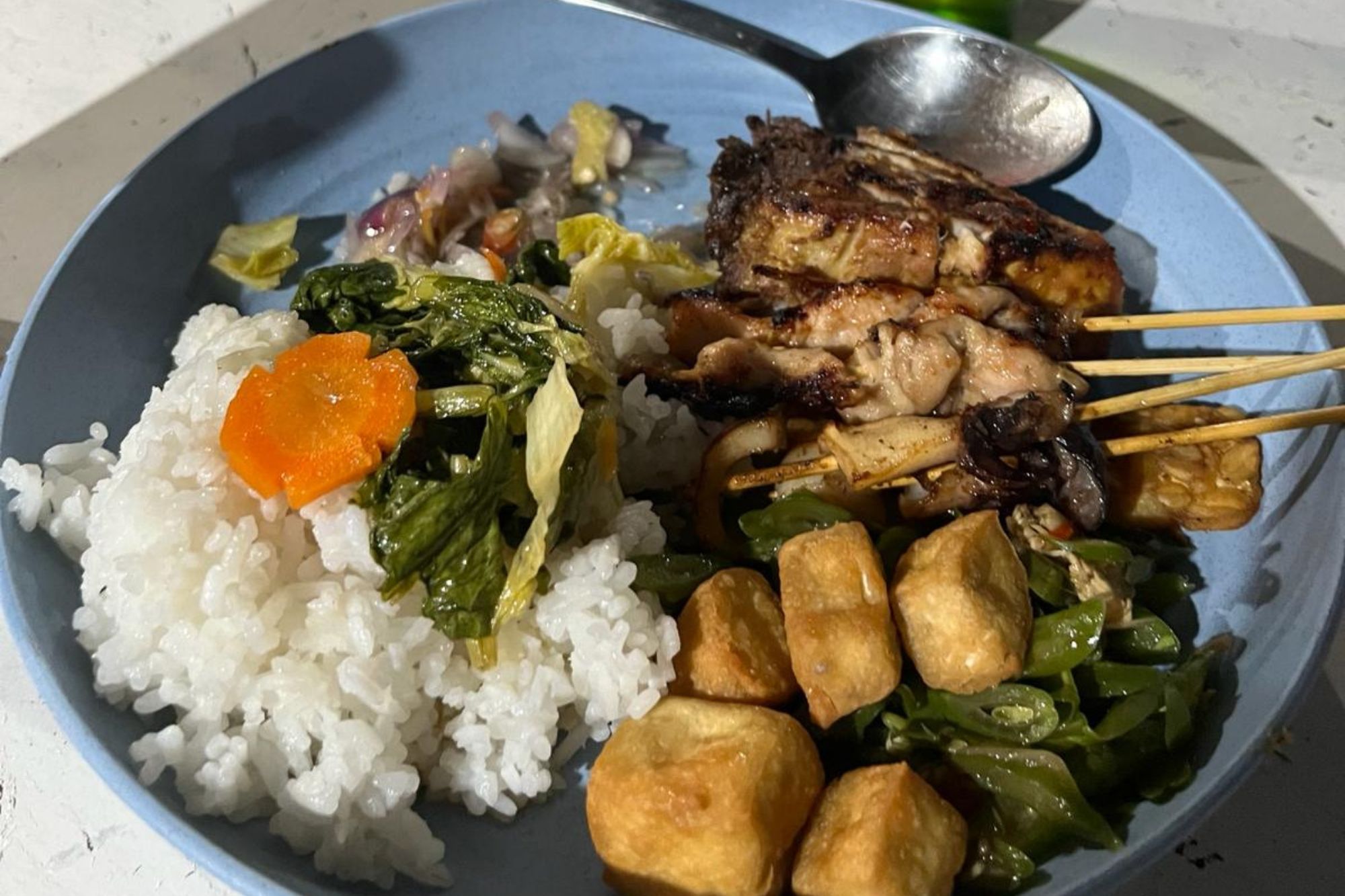
But I pushed through. By the end, the crew treated me to a local meal of beef satay and sambal matah, and I learned more about nudibranchs (tiny sea slugs smaller than a fingernail) than I had ever planned. It wasn’t the social experience I had imagined, but it taught me that I could handle being uncomfortable and still come out with something valuable.
These solo adventures also gave me time for reflection and spiritual exploration. When I first decided to travel to Southeast Asia, I wanted to learn more about the religions practiced in the region. With Singapore being a hub for immigrants from India, Malaysia, and other neighboring countries, there were places for worship for Muslims, Buddhists, Hindus, and Christians alike. I took advantage of this opportunity and attended an interfaith dialogue hosted by Christian and Muslim groups at NUS, leaving with a greater understanding of the differences between the two monotheistic faiths.
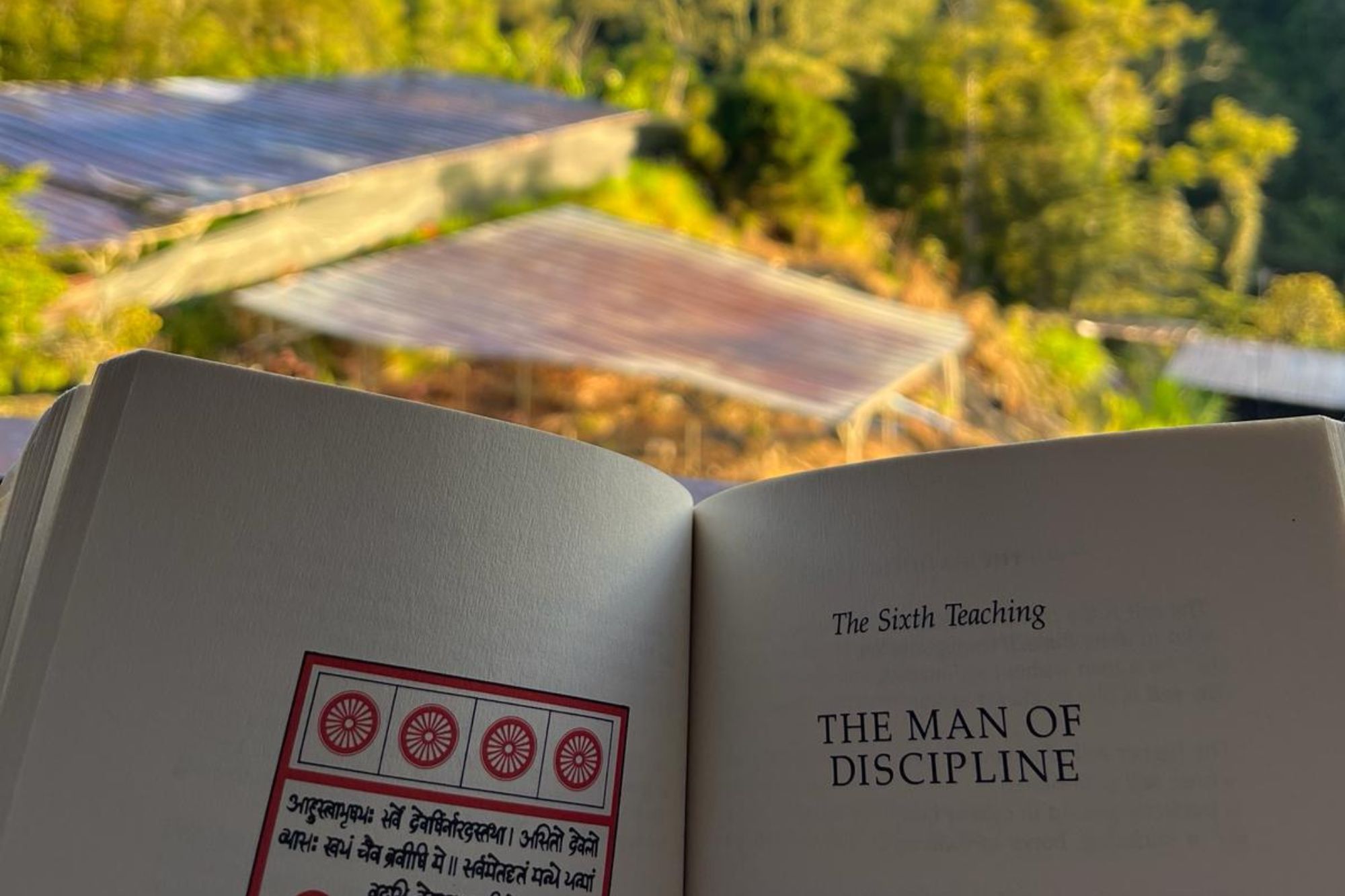
I also read the Bhagavad Gita, a primary Hindu text, while traveling in Borneo and spent time talking to locals in Bali about the split between Muslims and Hindus on the island and the differences in beliefs between Balinese Hindus and those from India.
From Balinese shop owners leaving offerings of coins and cookies for their ancestors to the orange robes of Buddhist monks at the airport in Thailand, it was fascinating to observe how the spiritual beliefs of each place I visited shaped the social and cultural norms of the people living there. The solitude of solo travel gave me the space to think deeply about these questions in a way I might not have if I’d been constantly surrounded by friends.
You Can Create New Friendships (Without Losing the Old)
Here’s what surprised me most: Rohan and I remained close throughout the semester, even though we didn’t travel together after Thailand. We still had our weekly dinners after class, still processed our experiences together, and still supported each other through the challenges of adjusting to life in Singapore.
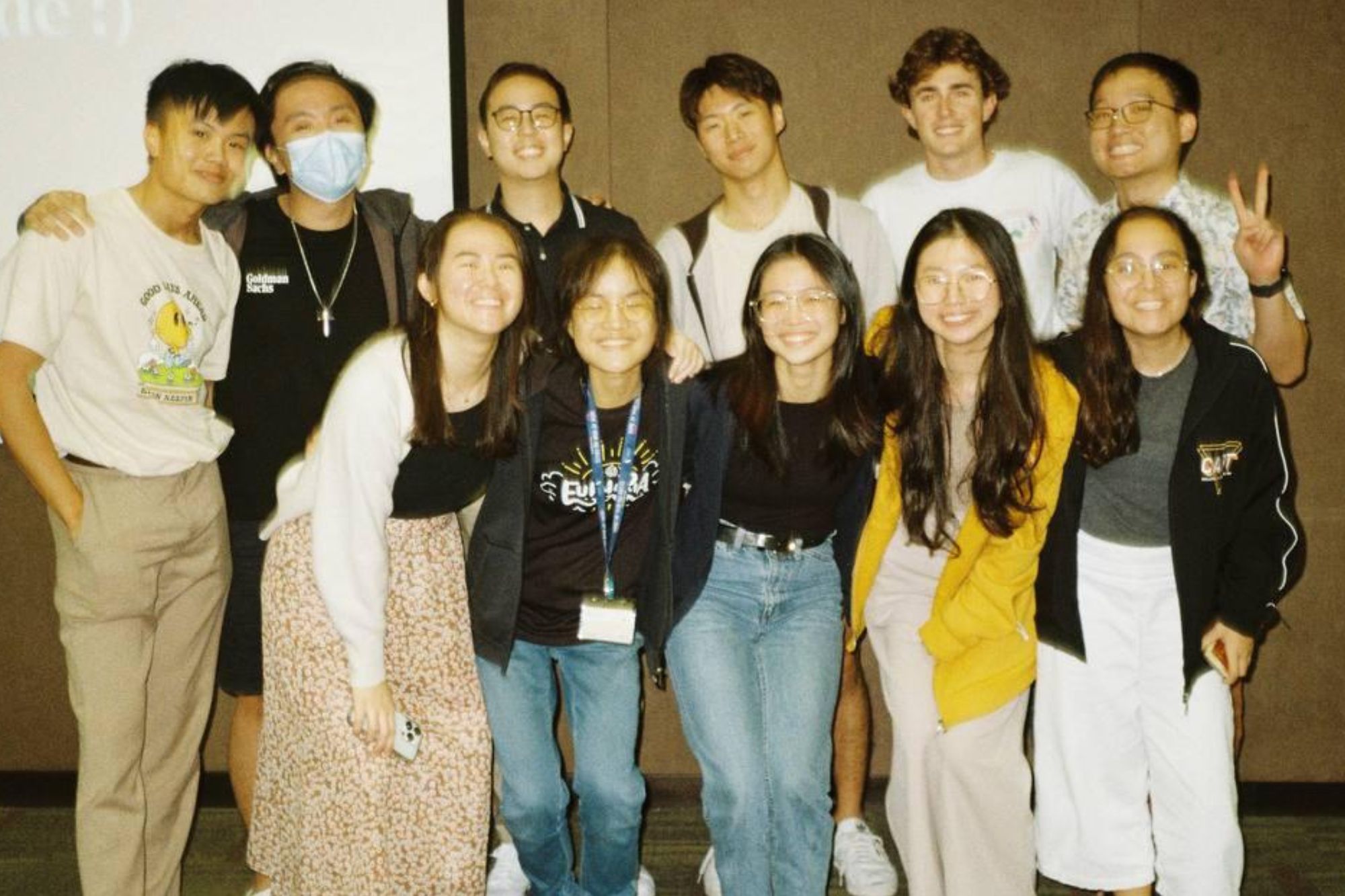
Investing more time in a Christian group at NUS, I became closer to several local Singaporean students who gave me an insider’s perspective on navigating life in Singapore and introduced me to lesser-known delicacies, such as ice cream sandwiches made with a slice of rainbow bread instead of cookies. These new friendships served a different purpose—they helped me feel grounded and connected to the local community.
And Bas? He became my adventure buddy, someone who shared my love of pushing physical limits and checking items off a bucket list.
The detours along the way inspired me to increase my independence in traveling, delve deeper into my spiritual journey, and comprehend the various roles that people play in my life for different purposes.
Returning Home
Though at times I felt like an airplane off course with my experiences being so different from what I had imagined, looking back, I am reminded that I was always headed toward my destination.
Coming to Singapore with a close friend was a gift, but learning that we could have different travel styles—and that our friendship could survive and even thrive because of it—was an even greater one.
I left Singapore and Southeast Asia with a sense of immense gratitude for what I’ve learned and an appreciation for each person who made it special along the way. If you’re studying abroad with friends from home, my advice is this: Don’t be afraid to branch out and try things on your own. The friendships that matter will still be there when you get back, and you might just discover a version of yourself you didn’t know existed.
Learn more about the personal growth achieved by embracing who you are and being open to new friendships on study abroad:
- Morgan conquered feelings of otherness and isolation and gained a set of close international friends while studying abroad in Italy.
- Discovering how to build a community of friends from a group of strangers was the lasting lesson for Irish Vaughan.
- Monique has some practical recommendations for students who want to break free of the comfort zone trap and truly adopt a study abroad mindset.


0 Comments