
Story highlights:
- International research offers unique advantages over local opportunities
- Participate in co-authored reports with an international team, broadening your professional network
- Challenge yourself to build resilience and maturity—competitive human skills
Why Research Abroad vs at Home?
As a UC student, you’re already part of a powerhouse research system. You have access to some of the most cited faculty and advanced facilities right in your own backyard. So, why trade your familiar lab for an unfamiliar one thousands of miles away?
Researching abroad isn’t just about a change of scenery—it’s about changing your vantage point. While staying at home offers stability, going abroad offers unfamiliar experiences. A shift that forces you to think more creatively, solve problems from a different starting point, and get a view of your field through a global lens.
Here’s why a research study abroad program offers opportunities you can’t find in California:
- Access to One-of-a-Kind Resources: Sometimes, the data you need isn’t available. It’s sitting in a specific archive in Santiago, a social science library in Seoul, or inside a specialized computer cluster in Osaka. Whether it’s original historical manuscripts or high-powered machine learning models, being on-site gives you access to the primary sources of your field.
- Diverse Methodologies and Local Expertise: Different countries have different scientific personalities. You might be used to insect cell purification at your home lab, only to find that a faculty member in Melbourne specializes in mammalian cell techniques that are better suited for complex human proteins. Exposure to these new protocols and mentorship styles expands your toolkit in ways that staying in California cannot.
- An Immersive Laboratory: When you research at home, the project ends when you leave the lab. When you’re abroad, however, the lab extends to the surrounding city and country. You’re not just studying French society—you’re living in a full-immersion environment in Strasbourg. You’re not just reading about student protests in South Korea—you’re walking the same streets in Gwangju where the history you’re documenting actually happened.
- Building a Global Professional Network: Research is a team sport, and study abroad lets you recruit teammates from around the world. By joining international research subgroups like ICube in France or the Institute for Protein Research in Japan, you aren’t just an exchange student—you’re a visiting researcher. These connections can lead to co-authoring an international report or securing a graduate school fellowship.
- Testing Your Resilience: Research is rarely a straight line. Navigating unfamiliar challenges in a foreign language, like presenting research in a room of international experts, builds a level of professional maturity that stays with you long after you return home.
Access Granted: Special Study
While UC campuses are hubs of innovation, some research requires you to go to the source. Whether it’s a specific piece of equipment or a physical archive, study abroad gives you access to tools and data that can redefine and boost your undergraduate career.
UCEAP students can take advantage of study in specific topics, including Special Study: Independent Research. These aren’t just electives—they’re dedicated opportunities for you to deep dive into a research project with international supervision.
Here’s a look at some of the research opportunities UCEAP participants discovered abroad.
High-Powered Tech & Specialized Labs
Sometimes, the breakthrough happens because of the technology behind the scientist.
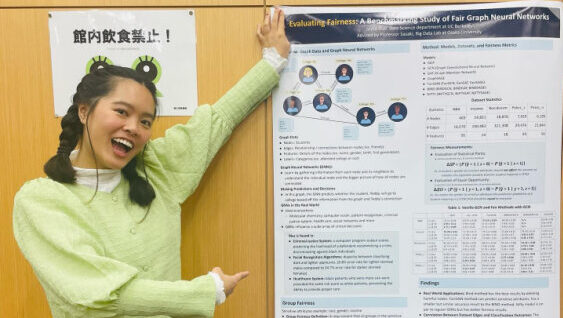
- The Osaka Cluster Computer: At the University of Osaka, Olivia Xie used a lab cluster computer to run a predictor model capable of predicting the activity of over 2 million compounds in less than 10 minutes. This novel machine learning method allowed her to accelerate drug design for cancer research in ways that traditional setups couldn’t match.
- Mammalian Cell Expertise: Ana-Florina Galic found that the University of Melbourne’s Bio21 Institute offered a specialized focus on mammalian cell protein purification. While she was familiar with standard insect cell methods at home, this new environment allowed her to successfully express complex proteins essential for HIV-1 research.
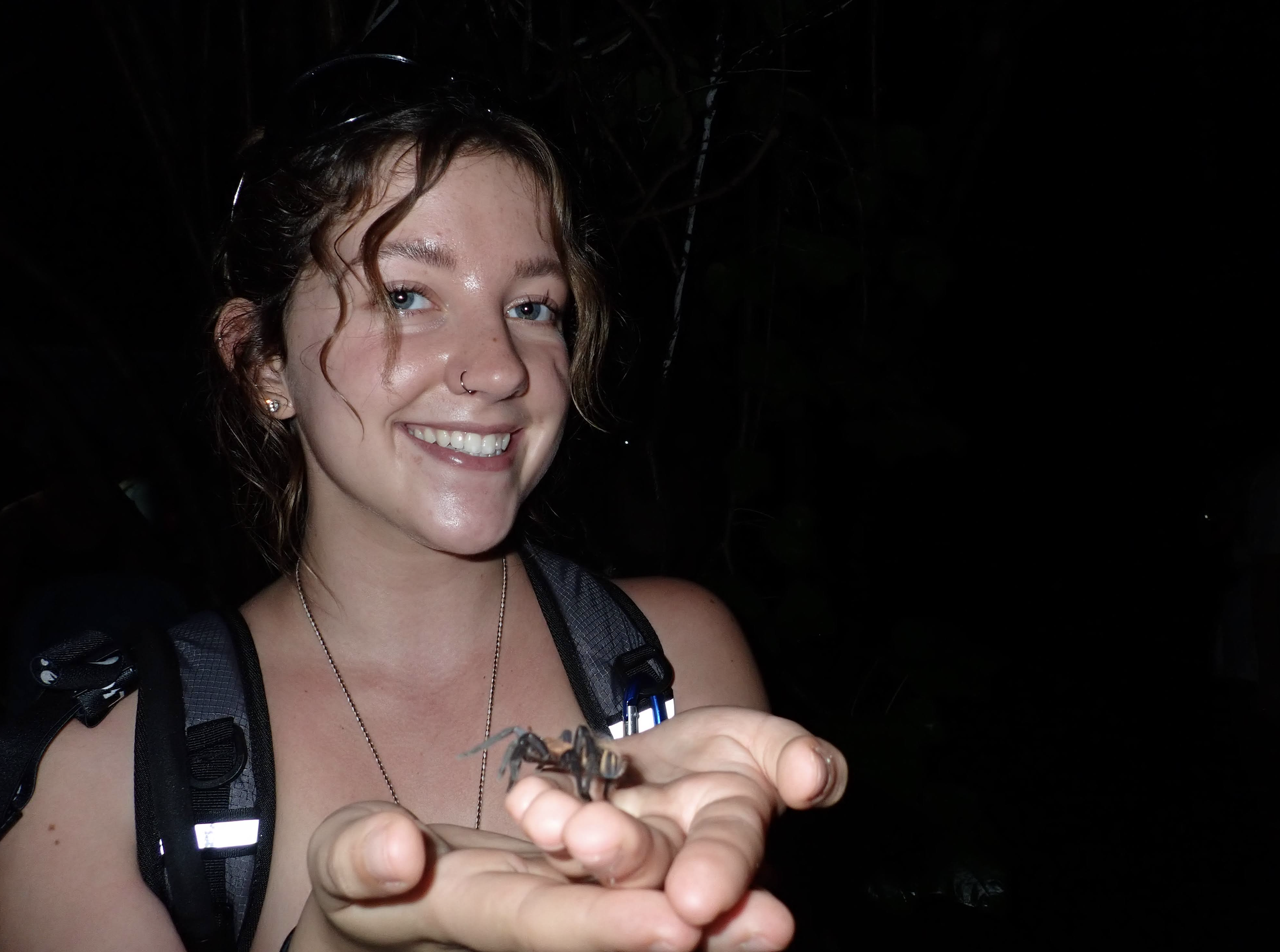
- The ICube Research Subgroup: In France, Alana Vy Trieu Le worked with the Machine Learning, Modelisation, Simulation team within ICube, a subgroup of France’s premier national research organization (CNRS). There, she used 3D modeling software to create a database of synthetic avatars that can help with research, medical training, and diagnostic development for neurodegenerative diseases, without compromising patient privacy.
Physical Archives & Living History
For social science and humanities students, access often means being in the room where history happened.
- The Gwangju Archives: Amy Mudagucci used her independent study at Yonsei in South Korea to scour social science libraries and take multiple trips to Gwangju. Being on-site allowed her to access physical archives and conduct hours of interviews with former student protestors—primary resources that are simply unavailable online.
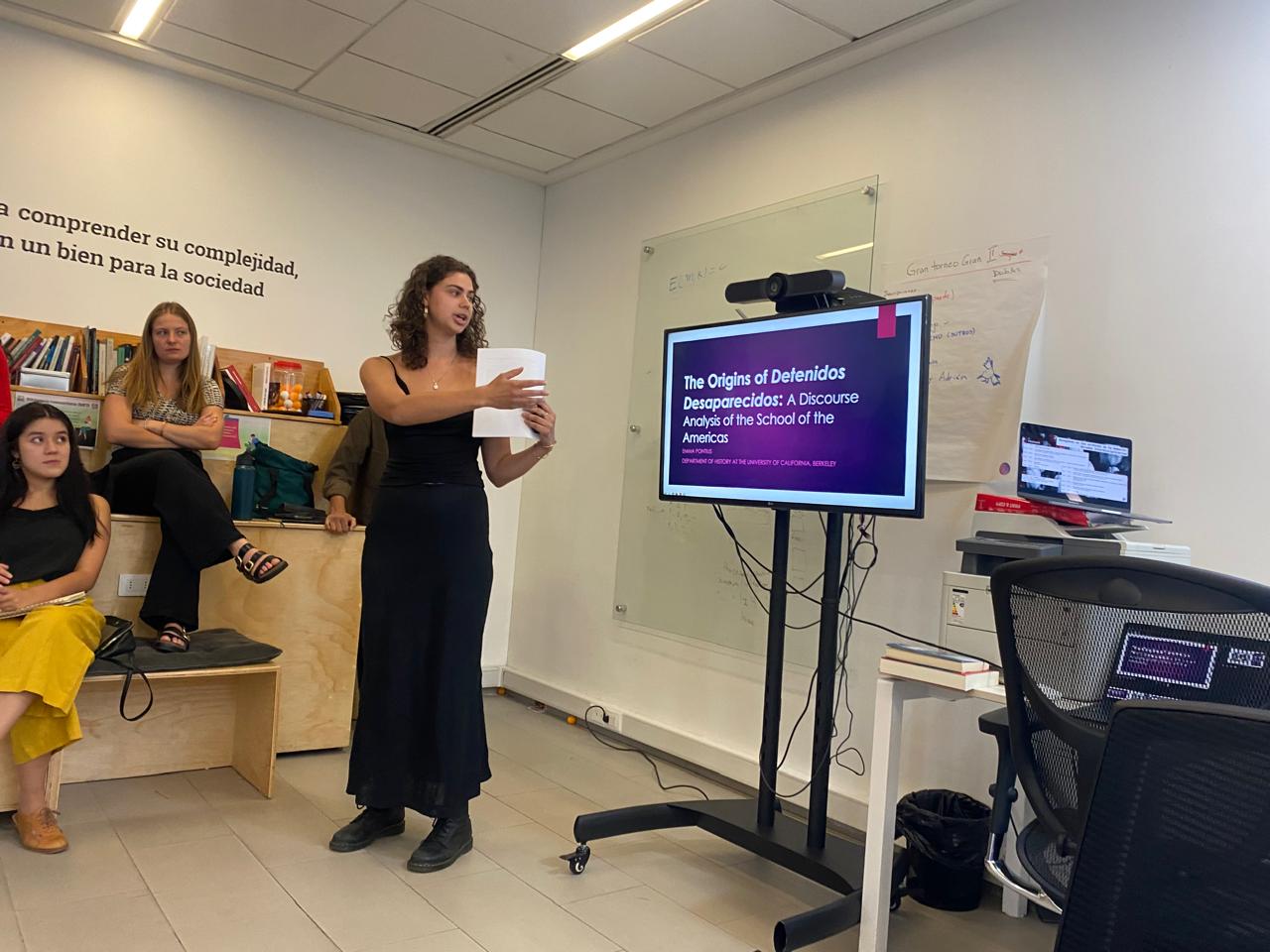
- Declassified Diplomatic Telegrams: In Chile, Emma Pontius conducted archival research at the Nuestra MemorIA and visited human rights museums like Londres 38. She analyzed eight declassified School of the Americas manuals and diplomatic telegrams from the 1970s to deconstruct US foreign policy during the Pinochet dictatorship.
- Brazilian Experiences with Racial Identity: Researching in Rio de Janeiro, Bayo Collins conducted 12 interviews to understand the fluid nature of Brazilian racial identity. This firsthand cultural immersion allowed him to develop a framework for racial awakening that specifically addresses the nuances of Brazilian society.
From Lab Bench to Career Launch
One of the biggest misconceptions about study abroad is that it’s a break from your academic trajectory. In reality, for a researcher, it can be an accelerator. Engaging in international research doesn’t just add a line to your resume—it builds a global network and a level of professional maturity that sets you apart as a candidate for graduate school and beyond.
“Perhaps the most apparent expectation shift was schedule punctuality. In the lab and even among friends, meeting times were strongly upheld, and arriving early was an expectation. With time and effort, I finally got rid of my Berkeley time habit of arriving late to everything.” Olivia Xie
UCEAP students aren’t just finishing projects—they are launching careers and opening doors to prestigious international fellowships. When you research abroad, you stop being a student in a lecture hall and move to being a colleague in a global lab with access to:
- International Research Teams: Alana Vy Trieu Le gained her first experience working in a research lab abroad as part of an international team at ICube in France.
- Expert Mentorship: Ana Florina Galic leveraged a connection between her principal investigator at UC Berkeley and Isabelle Rouiller at the University of Melbourne to contribute to structural immunology research.
- Cross-Continental Collaboration: Emma Pontius’s work in Chile didn’t end when her plane touched down in California. She went on to co-author a 50-page report for the European Union’s DISACT project and serves as a remote research assistant for Nuestra MemorIA.
For many UC students, a semester abroad serves as a test run for an international graduate career, clarifying their future plans. Adapting to a new culture while participating in a research project abroad teaches you skills that are impossible to gain in your home campus bubble.


0 Comments