
By Yinqi Li (UC San Diego), who studied abroad in Shanghai, China
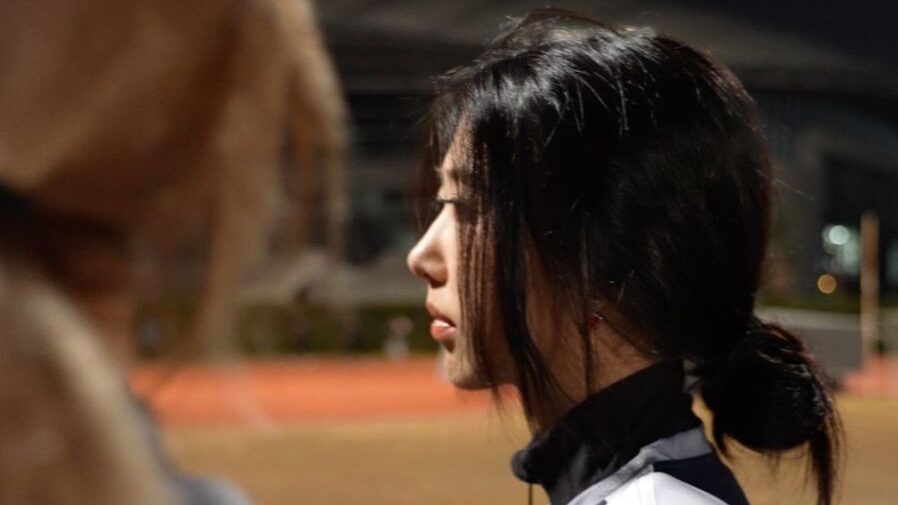
I never planned to join a sports team during my senior year of college, especially not while studying abroad. I never expected to find emotional grounding through a sport I had never played before.
I went to Shanghai expecting different classes, new experiences, and maybe a few weekend trips. I did not expect to learn what a huddle was, memorize routes, or wait nervously for the words, “Ready, set, hut!” It all began with a late-night scroll on social media. I came across a recruitment post from the Hornets, Fudan University’s flag football team. I had never played football before, did not know the rules, and had never imagined myself as a team-sports person. Still, the movement and laughter in the photos intrigued me enough to message them to ask how I could play. That small decision ended up changing my entire study abroad experience.
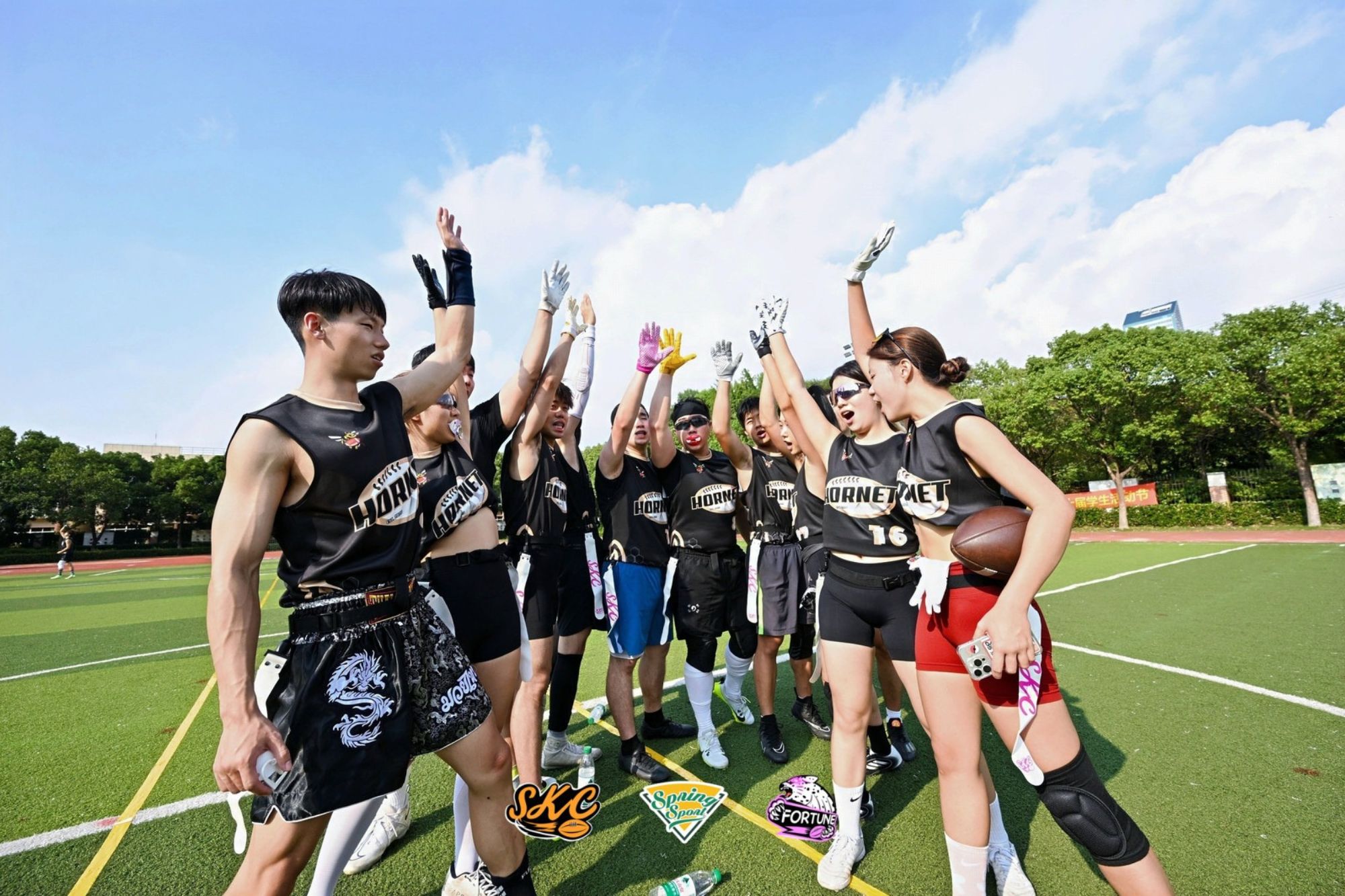
A few days later, I stood on the sideline of a football field, watching players warm up while trying to copy their stretches. When someone shouted, “Hornets Huddle!”, everyone immediately ran into a tight circle. I hesitated before stepping forward. That was my first huddle. At the time, I did not know how meaningful that moment would become.
Stepping Onto the Field the First Time
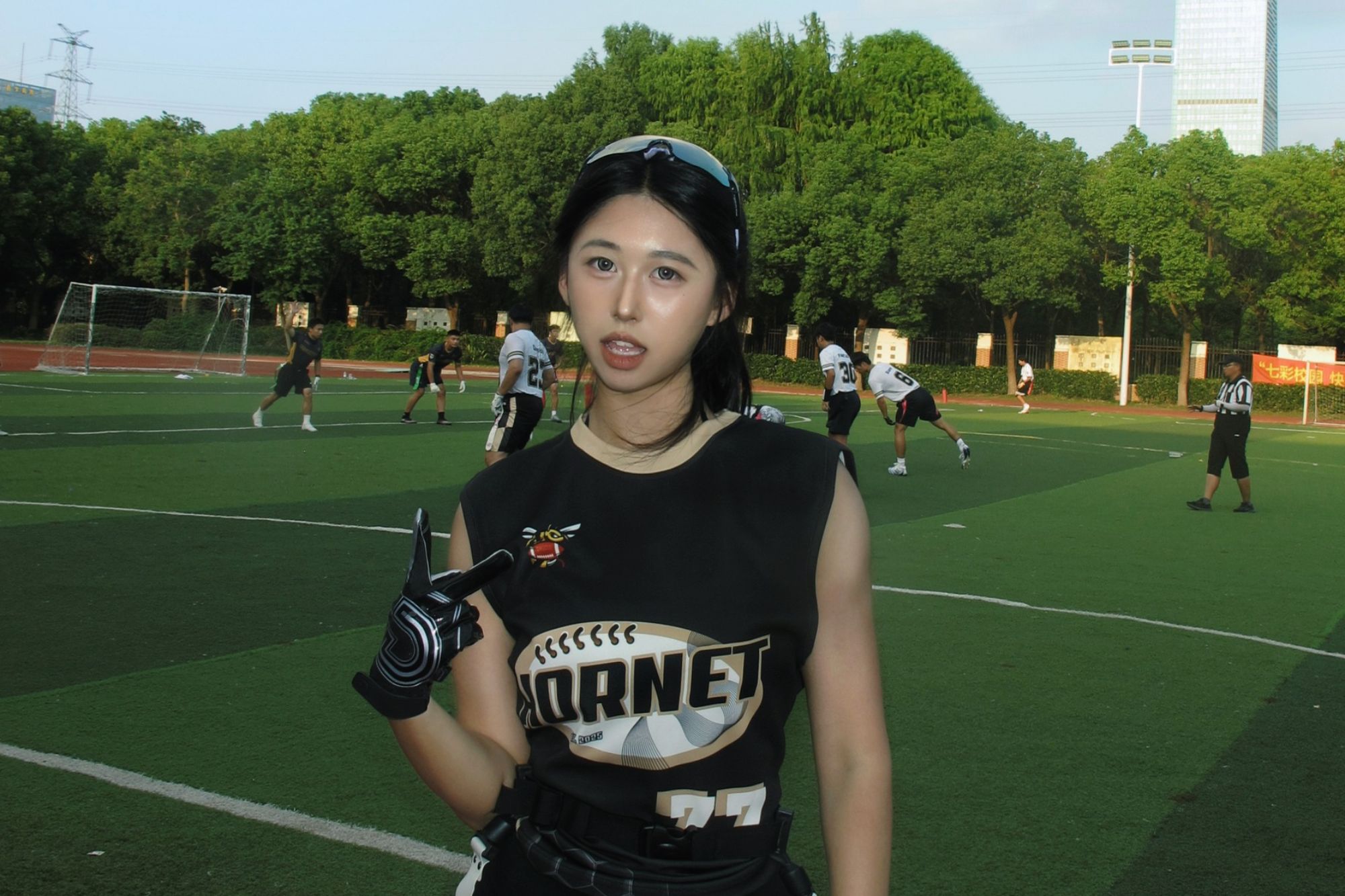
I have always enjoyed exercising and going to the gym, but I had never played a competitive sport before. Team sports felt intimidating to me. There were rules I did not understand, strategies I could not visualize, and a fear of being the person who slowed everyone else down. Still, I kept showing up.
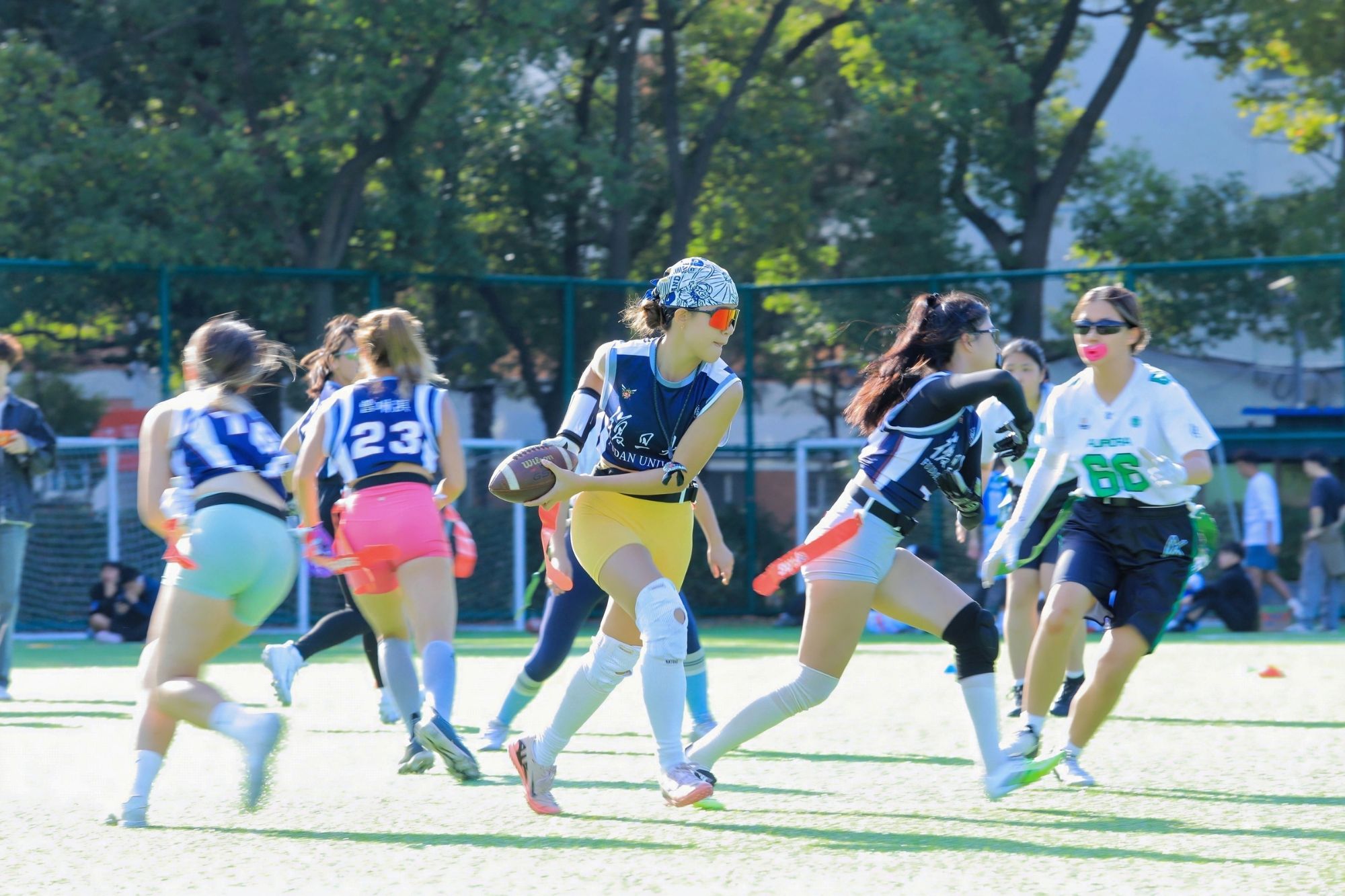
During my first few weeks, I learned everything from scratch: how plays worked, how to line up, and how routes were run. Over time, I found my place on the field as a rusher and running back. With every practice, I became more confident and connected to the team. Eventually, I officially made the roster and began attending competitions.
When Movement Becomes a Shared Language
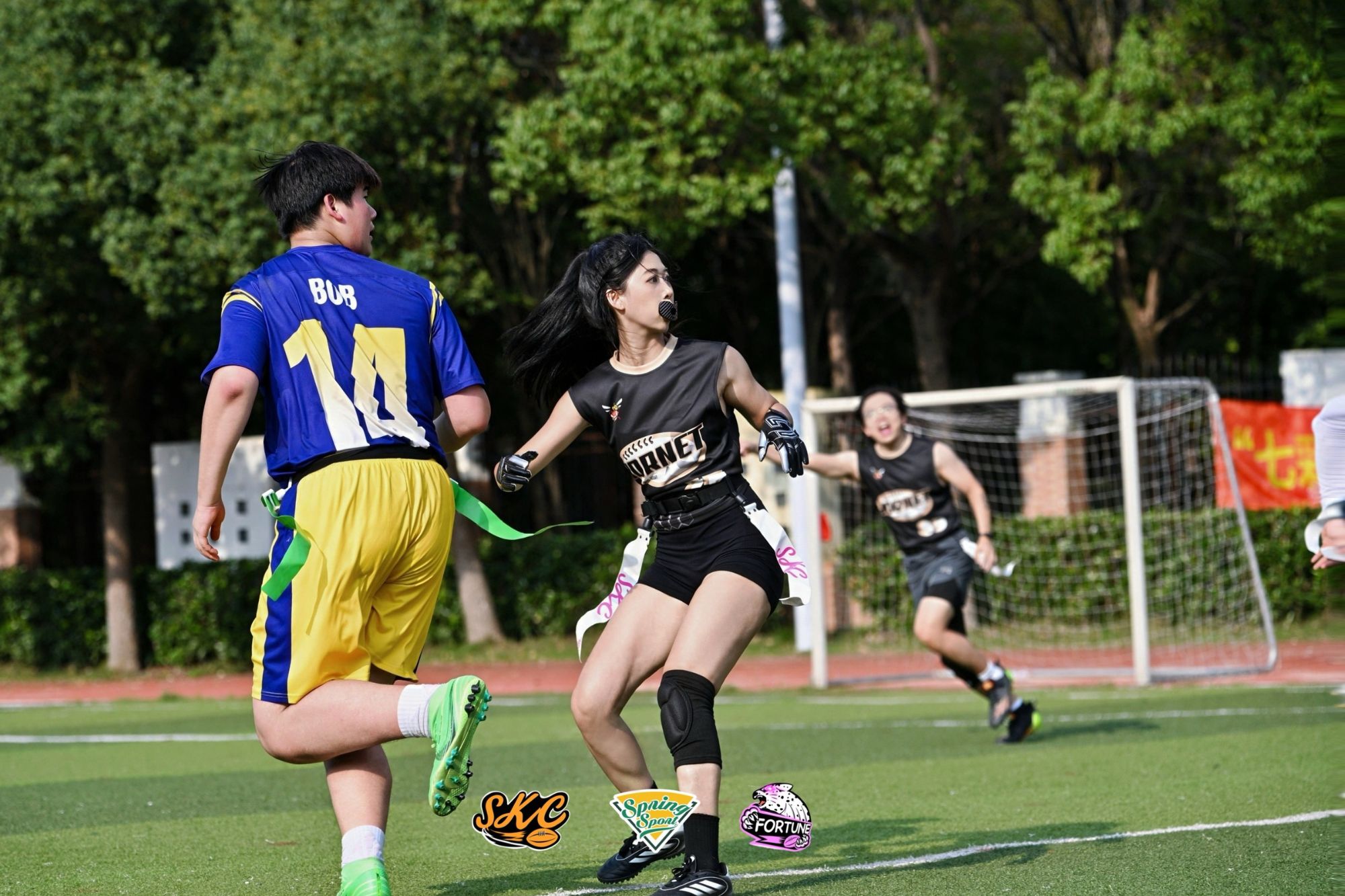
The Hornets brought together people from remarkably different backgrounds. Our team included undergraduates, graduate students, and master’s students. Some studied business—others studied arts, medicine, computer science, and more. Our teammates spoke a variety of languages, including Chinese, Korean, English, and German.
Strategy discussions constantly shifted between languages, and some football terms did not translate easily. Misunderstandings happened often during fast-paced moments. Someone might run the wrong route, miss a signal, and multiple players might hesitate at the same time. At times, the huddle felt chaotic. Slowly, though, we learned how to communicate beyond words. We demonstrated plays physically, simplified instructions, and repeated drills until understanding formed naturally. Over time, the playbook became our shared language, built through movement and trust.
Commuting Three Metro Lines for Community
What made my commitment to the team even more meaningful was the distance. I lived far from campus, and every practice required a commute of nearly an hour and a half. Each trip meant transferring between three different metro lines, often during crowded rush hours. Some days, my commute was longer than the practice itself.
It would have been easy to skip practice, but I never did. The love I grew for the sport and the people on the team motivated me to attend every single training session. No matter how long the ride felt, I knew that once I stepped onto the field and joined the huddle, it would be worth it.
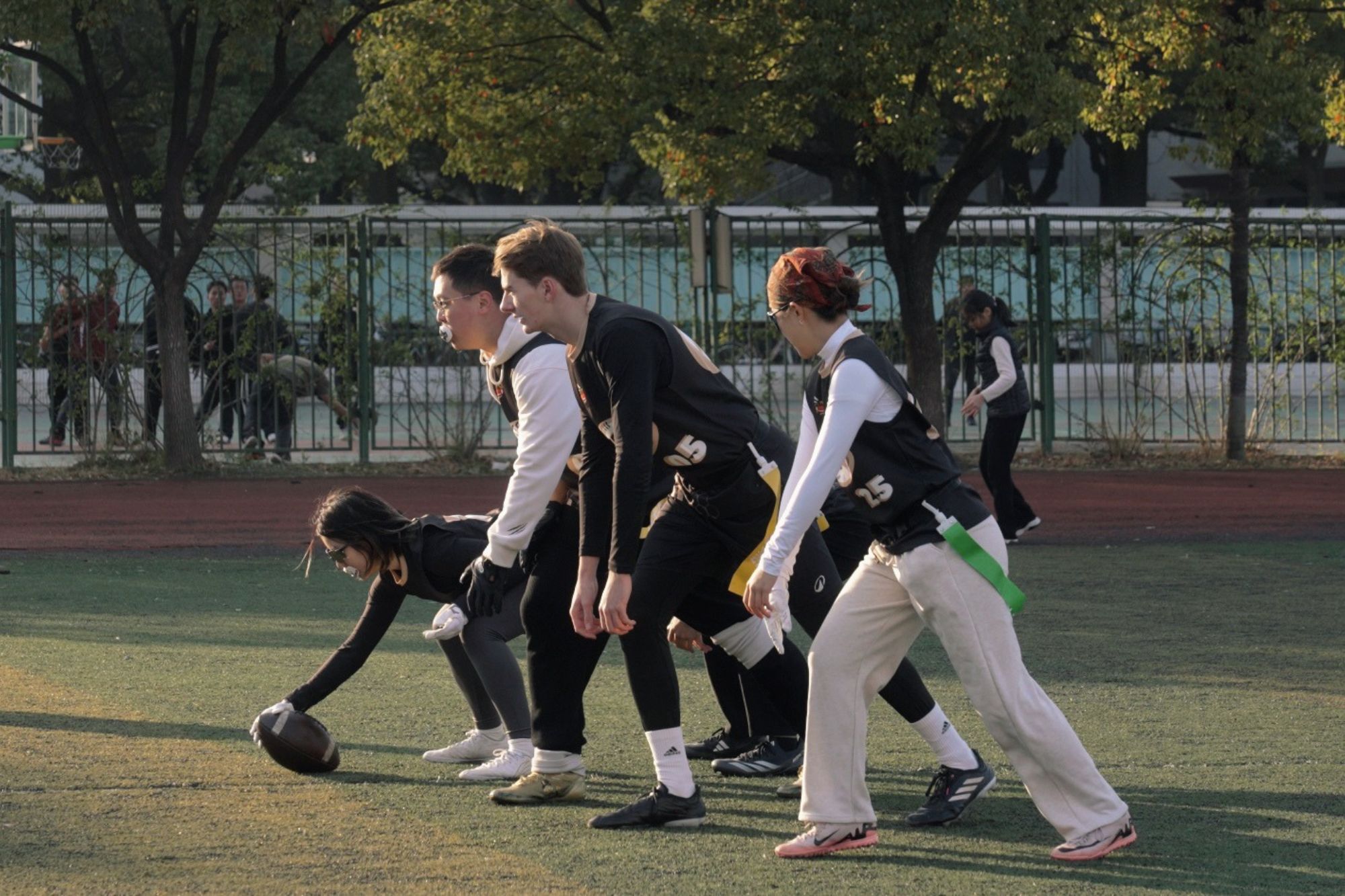
Finding Home Under the Stadium Lights
My first official competition remains one of my clearest memories. My heart raced while standing in the huddle before the game started. This was not only my first sports competition abroad—it was my first team sport ever. When the tournament ended and we learned that we had won third place, the excitement felt unreal. We celebrated together, exhausted and proud. The medal itself mattered far less than the realization that people from different countries, majors, ages, and academic paths had come together for one shared goal.
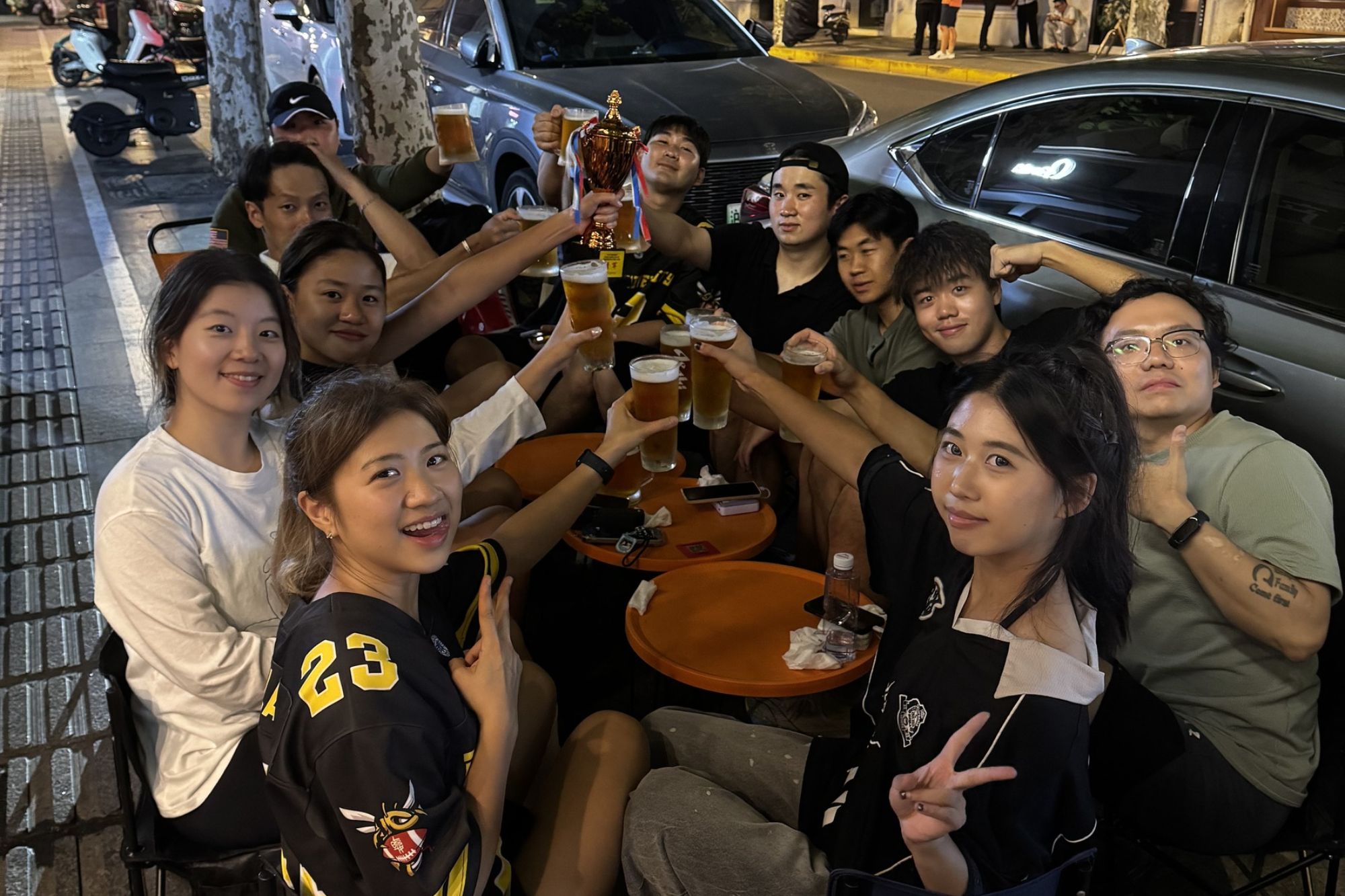
Football soon became the center of my life abroad. We practiced weekly, played friendly matches with other university teams across Shanghai, and spent evenings gathering after training. In a city as large and fast-paced as Shanghai, the Hornets became my sense of stability and belonging. Before studying abroad, I never imagined myself as someone who would perform well in team sports. Joining the team taught me how to collaborate with people different from myself, how to communicate patiently, and how to stay committed even when things felt inconvenient or difficult.
I went to China to further my study of how minds interact, but instead I learned how hearts connect. When my study abroad term ended, leaving the team was harder than I expected. Even now, our group chat remains active. We continue sharing updates about school, work, and life across time zones. Sometimes a teammate sends an old photo from practice, and it immediately brings me back to those evenings under the lights. I left with a deeper understanding of myself. It formed through sweat, trust, and a simple phrase that still echoes in my mind:
“Ready, set, hut!”
See what joining a club and building community can mean while on study abroad:
- Irish Vaughan has some recommendations for converting strangers to family to build community abroad.
- See Waresa Hu’s list of six ideas for making friends while studying abroad in Australia.



0 Comments