
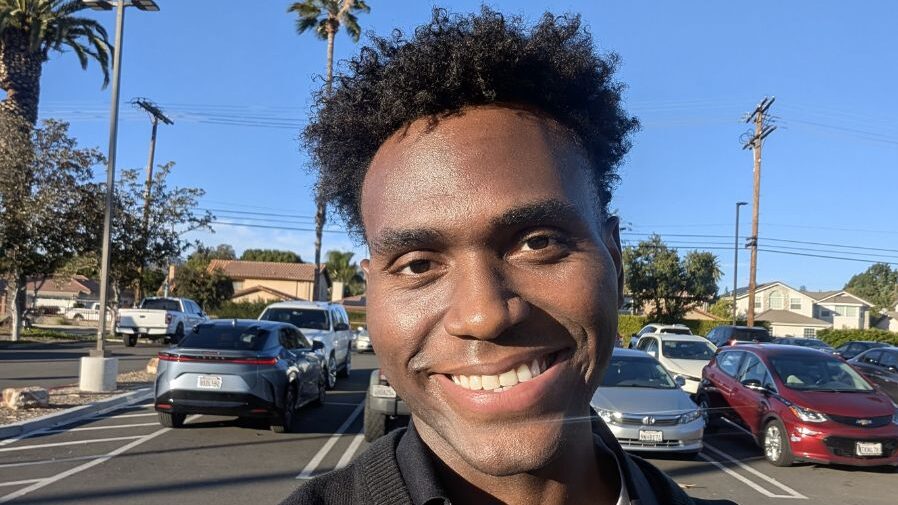
By Antoine Mbok (UC Irvine), winner of the 2025 Blog Writing Contest, studied abroad in Bordeaux, France
At a small table in Bordeaux, I watched the sun sink lower while no one around me checked the time. Dinner was not something to squeeze in between obligations—it was the entire evening. I did not realize how rushed my everyday life in California felt until that exact moment.
Unremarkable on its own, that sunset stayed with me long after our plates were cleared, quietly reshaping how I understood time, presence, and home. This quiet realization became the lens through which I began to see both France and the US differently.

When you return home from studying abroad, reverse culture shock often creeps in where you least expect it—not in the big milestones, but in how you handle your daily routine.
Linger Over Meals
In France, meals unfold in deliberate stages. The apéritif comes first: light drinks and small bites meant to awaken the appetite and, more importantly, invite conversation. Next comes the entrée, then the main course, and finally dessert. Each course stretches time rather than rushing it. People linger, phones stay face down, and conversations wander.
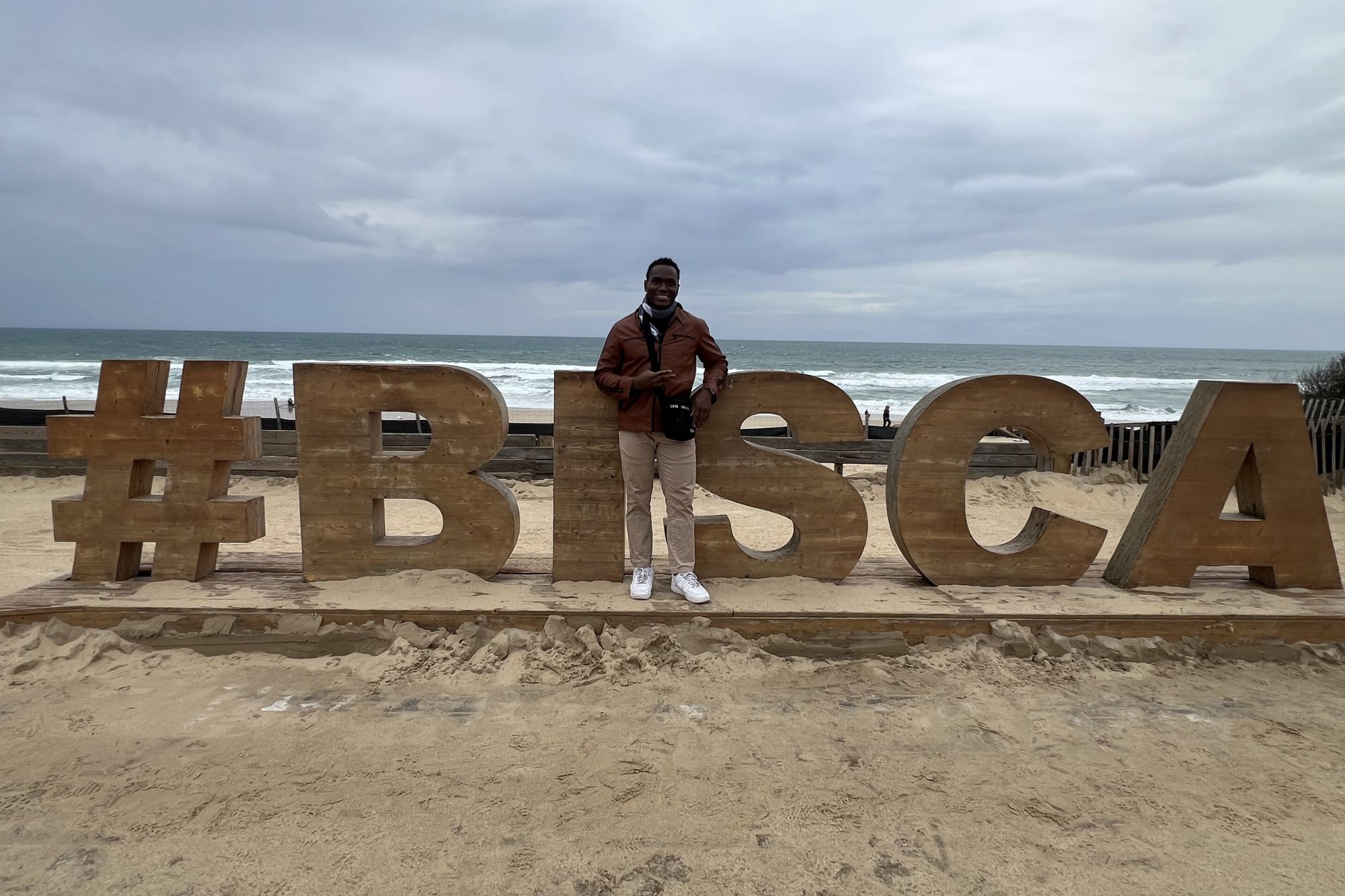
That rhythm became real for me in Biscarrosse, a coastal town in southwestern France, where I spent an evening with family relatives. Over dinner, they walked me through each stage of the meal, not as a formal lesson, but as an everyday lived tradition. Plates were cleared slowly, glasses were refilled casually, and no one rushed the next plate. Our talk drifted from weekend plans to politics and football rivalries, continuing long after the food had gone cold.
Back home in California, meals were often rushed through before the next commitment. Living abroad taught me that sharing food can be an intentional space for connection. I returned to the US valuing not just what I eat, but how I eat: slower, more present, and far more deliberate about who sits across the table.
Rest is Not a Reward
In Bordeaux, the afternoons told their own story. Cafés filled with low murmur and clinking porcelain while servers balanced trays without hurrying anyone out the door. Shop doors rolled halfway shut in the middle of the day, supermarkets dimmed their lights, and no one seemed stressed or impatient. Rest was neither announced nor justified—it simply happened. Pausing was built straight into the fabric of daily life.
That rhythm clashed with my American instincts. I used to measure my personal worth almost entirely by output. If I did not read my daily 10 pages, lift weights at the gym, or log my usual 4 to 5 miles, I felt like I had not earned a break. If I cut a workout short or took an unplanned day off, I carried that guilt with me. Sitting still felt unearned.
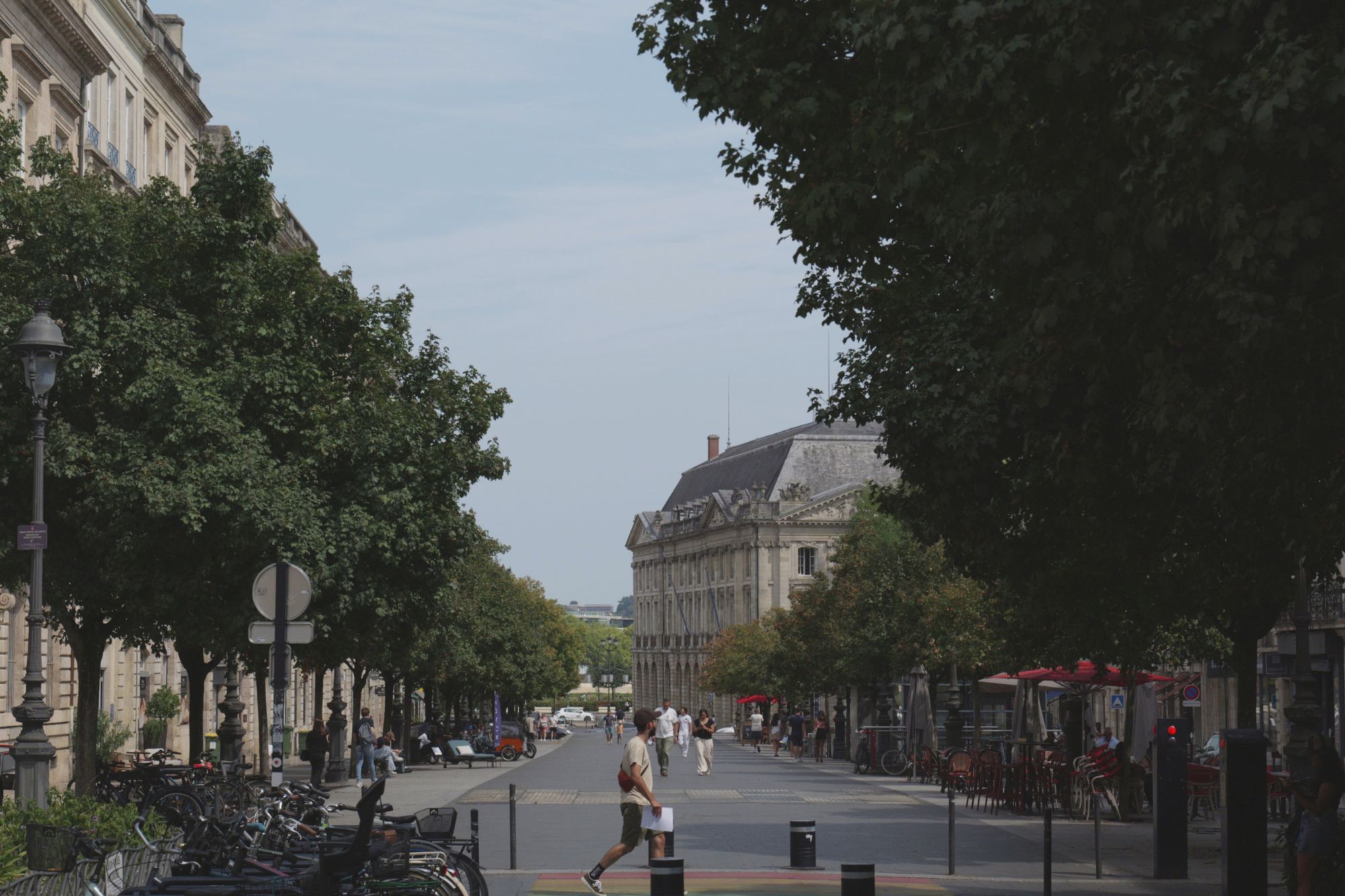
Watching an entire city slow down without an ounce of guilt forced me to confront how unsustainable that pressure really was. I began to see that rest is not the opposite of working hard—it is an essential part of doing good work. Only by stepping back can daily effort stay consistent rather than exhausting.
Freedom in Public Transportation
During my semester in France, traveling became second nature rather than an ordeal. My most memorable trip was heading north to Paris.
From Bordeaux, I caught an overnight bus and arrived early the next morning for a fraction of what a similar cross-state trip might cost back home. When my campus organized a weekend surfing excursion, we simply loaded onto a regional bus and headed straight down the Atlantic coast. Both journeys covered plenty of miles, but neither felt complicated.
Most destinations were affordable and easy to reach by transit. That ease meant I could explore without overthinking every step. Sometimes all I checked was the departure time on the board, and the rest took care of itself.
Returning to the US, I noticed how profoundly having access to reliable transit shapes personal independence. In France, mobility made adventure feel natural, not restricted by the need to own, or have access to, a car.
Navigating the French Classroom
Academically, studying at the University of Bordeaux shifted how I approached learning. One of the first differences I encountered was the lack of a detailed weekly syllabus. Coming from the UC system, where a syllabus outlines every reading, deadline, and grading policy from day one, not knowing what we would cover weeks in advance felt unsettling at first.
Yet my French peers took it completely in stride.
The French higher education model focuses on early specialization, and many of my peers were already settled into their major tracks and knew their goals. The open-format seminar discussions shifted toward live debates and practical problem-solving rather than passive note-taking, which required me to speak up and engage directly. The experience gave me a genuine appreciation for the flexibility of UC academics and showed me how rewarding it can be to lean into discussion when the path ahead is not fully mapped out.
Bringing a More Intentional Pace Home to California
Stepping off the plane back in California felt grounding in ways I had not anticipated. Walking down the aisles of my neighborhood grocery stores, I suddenly appreciated choices I had previously taken for granted. Protein-rich staples, wholesome options, and specific foods that fuel my routines as an athlete filled every shelf. In France, finding those exact items took extra hunting. At home, that variety allows me to support my health and training on my own terms without working around limitations.
California is familiar ground: I know the shops, the gym routines, and the resources that keep me steady. Yet living abroad gave me a clearer sense of what kind of life I want to build within that familiarity.
Today, I actively make room for the lessons I brought back from France: dinner tables that invite conversation, daily routines that make space for genuine rest, and the quiet freedom to move with intention. Seeing home from across the Atlantic did not make me love it less—it taught me how to live here with far more purpose.
Learn to process reverse culture shock and translate your time abroad into creating new, meaningful habits:
- See how to adjust to life at home after study abroad and stay connected with friends from abroad.
- If you find adjusting to home after study abroad difficult, you’re not alone! Read about reverse culture shock.
- Culture shock isn’t easy, but here’s why you should look forward to it rather than fear it.


0 Comments